
Everyday Newborn Care: Feeding Guide
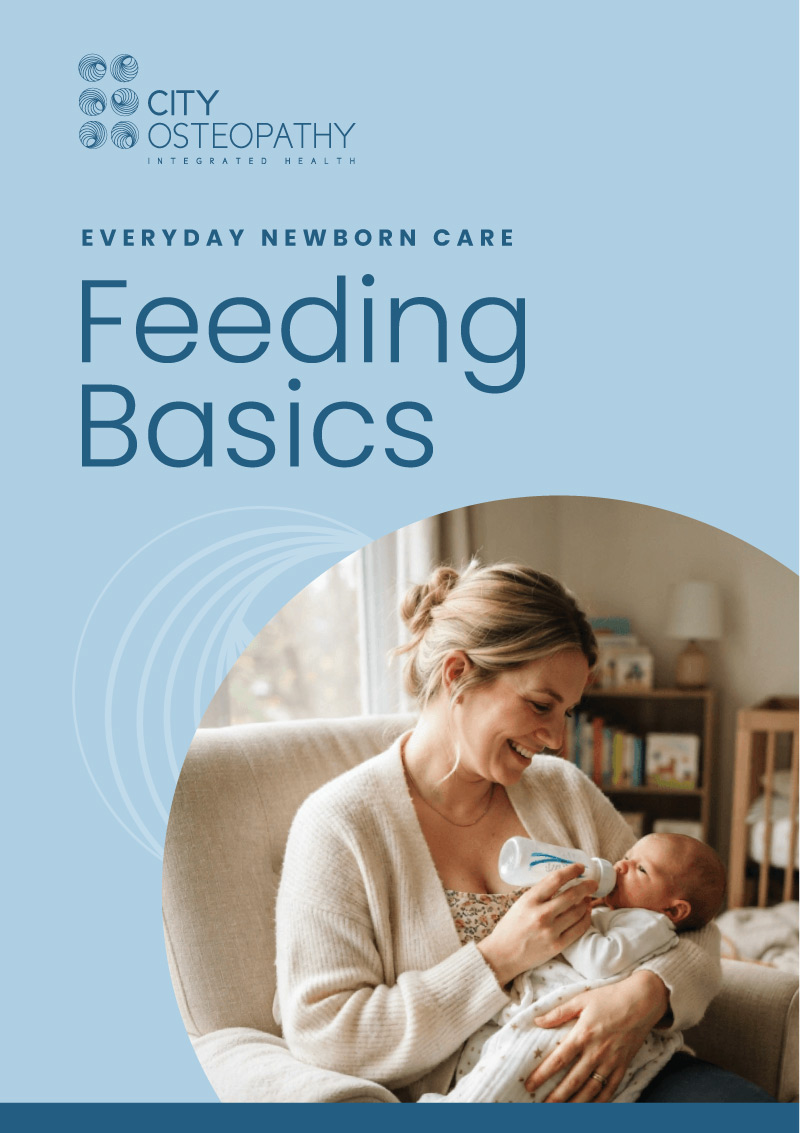
Whether you breastfeed, formula feed, or combine both, what matters most is a fed, thriving baby — there's no single right way. In the early weeks, feeding is largely about learning your baby's cues and finding a rhythm together.
Most newborns feed 8–12 times a day in the first few weeks — that frequency is normal, not a sign anything's wrong.
If you’re breastfeeding and wondering how the milk changes during a feed, our article From Foremilk to Hindmilk explains the difference.
What are the signs my newborn is hungry?
Rooting (turning head, opening mouth toward touch), bringing hands to mouth, sucking motions, increased alertness or restlessness. Crying is a late hunger cue — try to catch the earlier signs when baby is easier to settle.
How do I know when my baby is full?
Slowing or stopping sucking, turning away from the breast or bottle, relaxed hands and body, falling asleep.
How do I burp a newborn properly?
Hold baby upright against your shoulder or seated on your lap leaning slightly forward, and pat firmly at the back of the abdominal area, just below the rib cage — this is where trapped air tends to sit, and patting there (rather than higher on the back) is most effective at helping it rise and escape.
Is cluster feeding normal?
Cluster feeding (frequent short feeds, often evenings), reflux-like spit-up after feeds, and latch discomfort in the first days. Most resolve with time and positioning adjustments — but persistent pain or poor weight gain is worth flagging to a provider.
When do feeding difficulties point to something more?
Latching and sucking rely on smooth coordination between the head, neck, and jaw. If your baby consistently arches, resists being tucked into a curled position, or seems unusually strong or stiff through the neck — especially during feeds — it's worth having it checked.
This pattern can sometimes go hand-in-hand with musculoskeletal tension that also affects feeding mechanics, and it's one of the things we look for in a neonatal assessment.
How can City Osteopathy Integrated Health help with newborn feeding difficulties?
Our neonatal assessment looks at how your baby's head, neck and jaw are working together, alongside their posture, movement and comfort when held and fed. Our Paediatric Osteopaths lead these appointments.
The point of the assessment is a clear answer. Either the tension is there and we can talk through gentle, appropriate treatment, or it isn't and you can stop wondering.
Many parents come to us having noticed something at feeds for a while without knowing whether it warranted a visit. It's a reasonable thing to want settled.
When should I see someone about my newborn's feeding?
If you've been wondering for a while now whether your baby's arching, stiffness or difficulty latching is more than early-days adjustment, an assessment is the direct way to find out.
Book an appointment below or request a callback, and we'll take it from there.