Does it matter if my child has flat feet?
How a child's foot meets the ground affects how they move. The arch plays a role in absorbing impact and distributing weight as a child walks, runs or jumps, so the way it develops can influence balance and coordination rather than how they hold themselves still. Most of this happens naturally over the first decade of life, which is why flat feet on their own are rarely something to act on — it's changes in movement, comfort or activity that are worth paying attention to.
Is it normal for children to have flat feet?
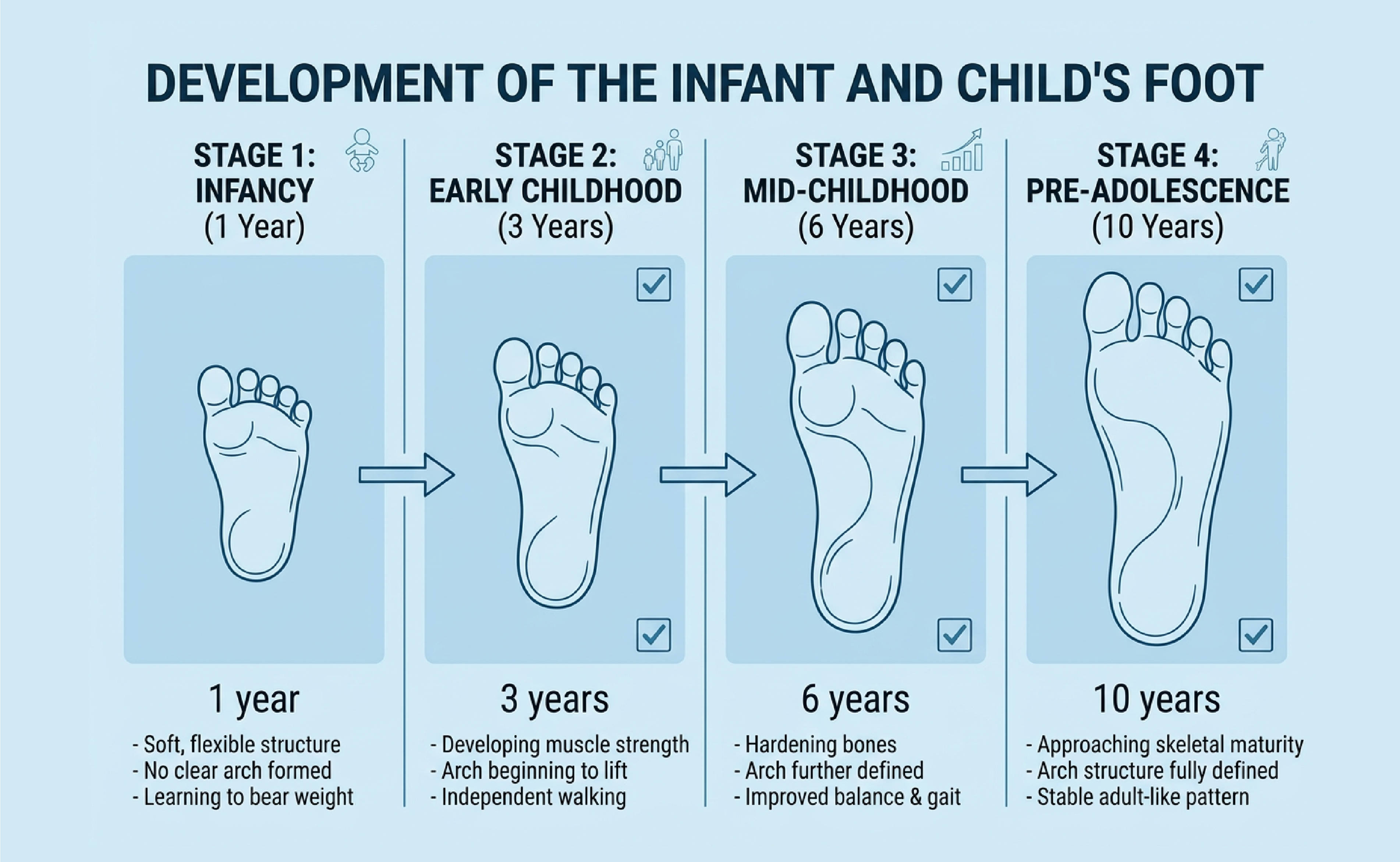
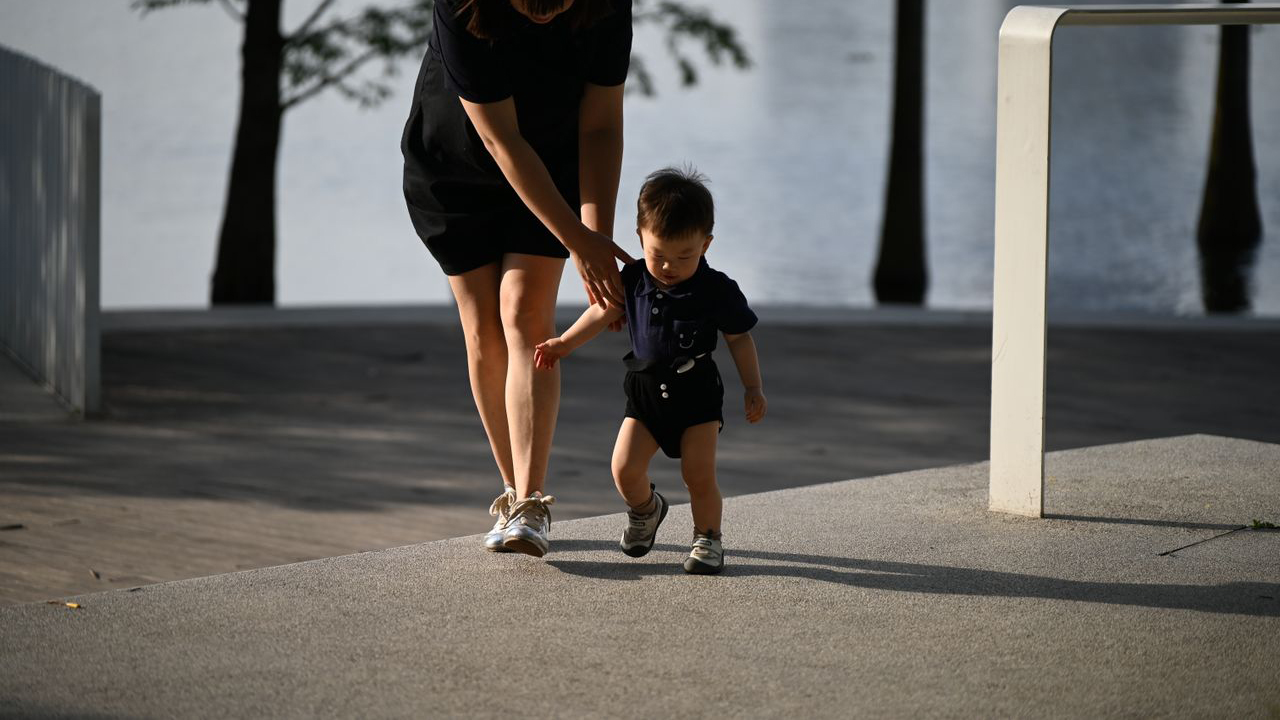
Flat feet are common in young children and are often a normal part of how the foot develops. The arch of the foot typically forms gradually over the first decade of life, so a toddler or young child standing with little or no visible arch is usually nothing to worry about.
What causes flat feet in children?
In younger children, flat feet are often simply down to how flexible and still-developing their bones and joints are. As children grow, the arch tends to become more defined on its own, without any specific intervention needed.
How can I tell if my child's feet need looking at?
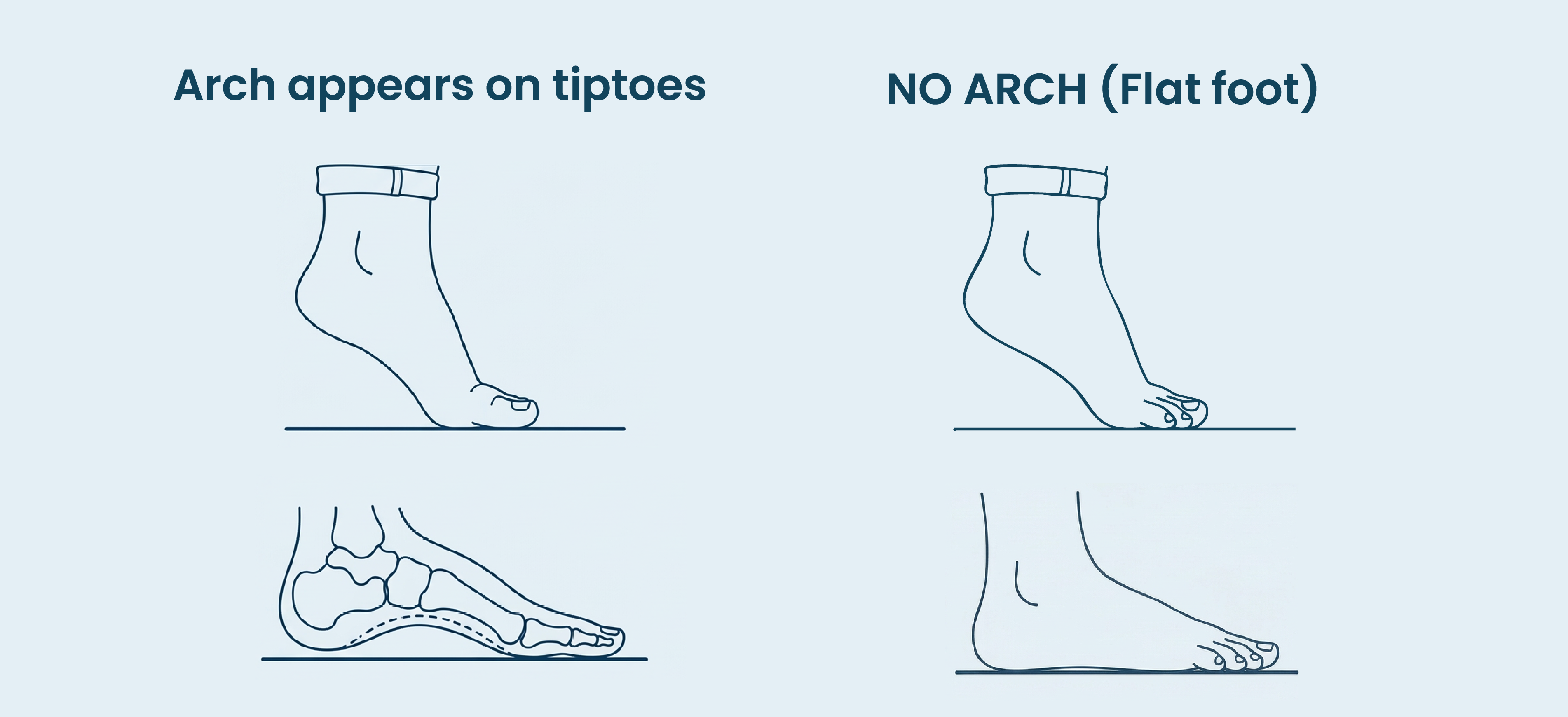
A simple way to check is to see whether an arch appears when your child is sitting down, or when they stand on tiptoes, even if the arch flattens out when they stand normally. This is often described as a flexible flat foot, and it tends to be the more common and less concerning pattern.
If no arch appears even when your child is sitting down or standing on tiptoes, or if the foot seems stiff or uncomfortable to move, it's worth getting assessed, as this can sometimes have an underlying cause that benefits from proper attention.
Some children also walk with their toes turning inwards, sometimes called in-toeing or pigeon toe. It's a separate pattern from flat feet and usually starts higher up in the leg. If that’s what you’re concerned about, read more about it on our guide to knock knees and pigeon toe in children.
A few things are worth keeping an eye on:
- Whether your child complains of foot, ankle or leg tiredness after walking or standing, or seems to tire more quickly than other children during active play
- Uneven wear on the inside of their shoes
- A tendency to walk with the foot rolled inward, or with the feet or toes turning in
- Flat feet that seem to affect one side more than the other, or don't seem to be changing much as your child gets older
None of these on their own point to anything serious, but they're useful things to mention if you do bring your child in for an assessment.
How can City Osteopathy Integrated Health help with children's flat feet concerns?
An assessment at City Osteopathy Integrated Health looks at more than the shape of the foot. The osteopath watches your child stand, walk and move, checking how the arch behaves in motion, whether their weight falls evenly through both legs, and how the ankles, knees, hips and pelvis are working together. Feet rarely work in isolation. A flat arch or an inward-turning walk can sometimes trace back to how the hips or legs are aligned, or to one side of the body compensating for the other, and an assessment that only looks at the feet can miss this.
If your child's feet are developing normally, you'll hear that directly, along with what to expect as they grow. If an imbalance is contributing, you'll get a plan explained in plain terms, whether that's simple exercises, footwear advice or hands-on treatment. Many parents come in for exactly this reason: not because something is wrong, but to stop wondering.
When should I get my child's flat feet assessed?
If your child is in pain, avoids activities they used to enjoy, walks with their feet turning noticeably inwards, or their feet aren't following the pattern you'd expect for their age, those are good reasons to book. But you don't need to wait for a clear problem. A single assessment can settle the question either way, and if everything is developing as it should. Like most issues, catching it early means less effort to resolve. Book an appointment and we'll take a proper look.