
Movement MOT
(noun): A structured assessment of how your body moves, focusing on Mobility, Organisation, and Technique
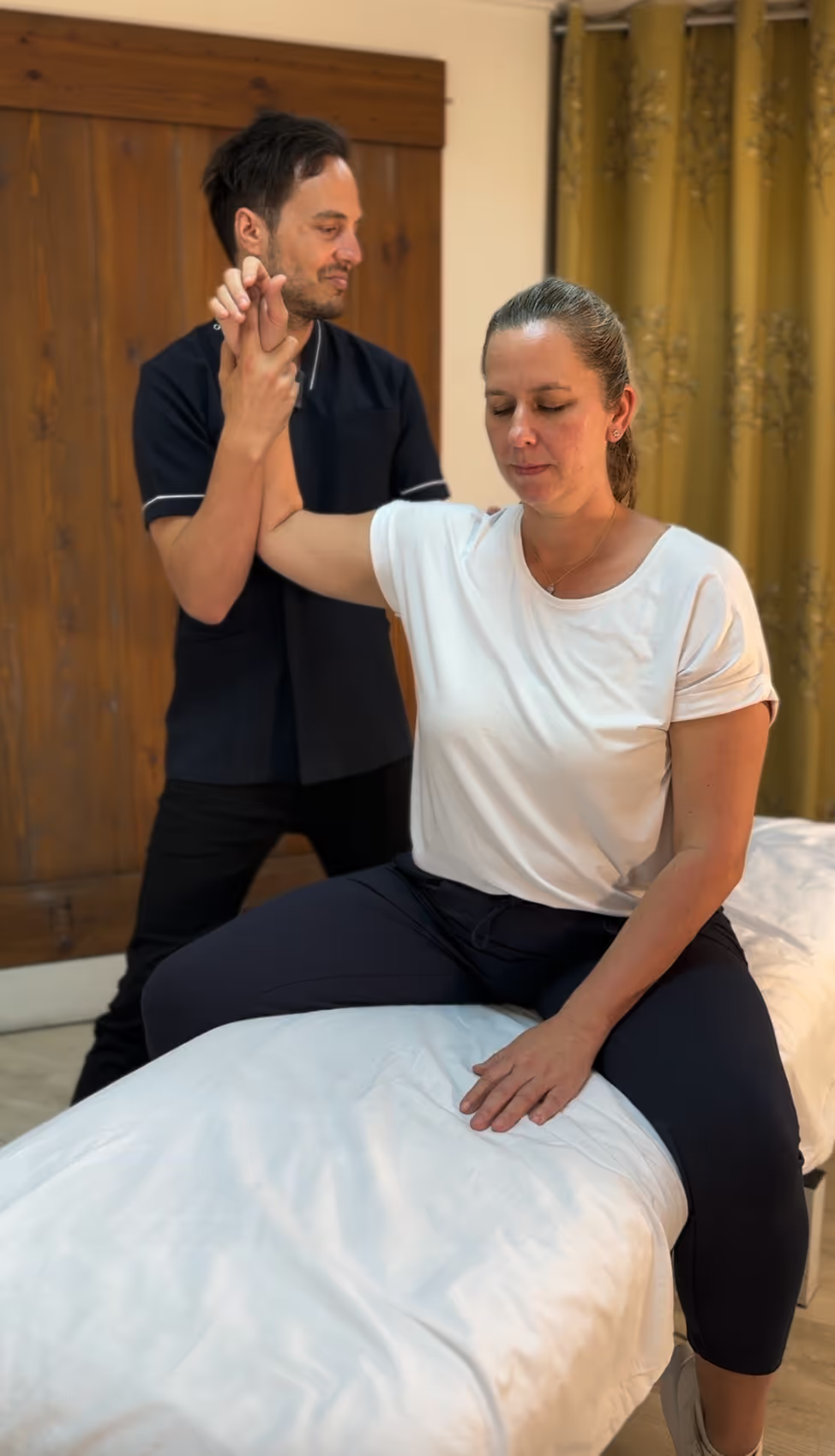
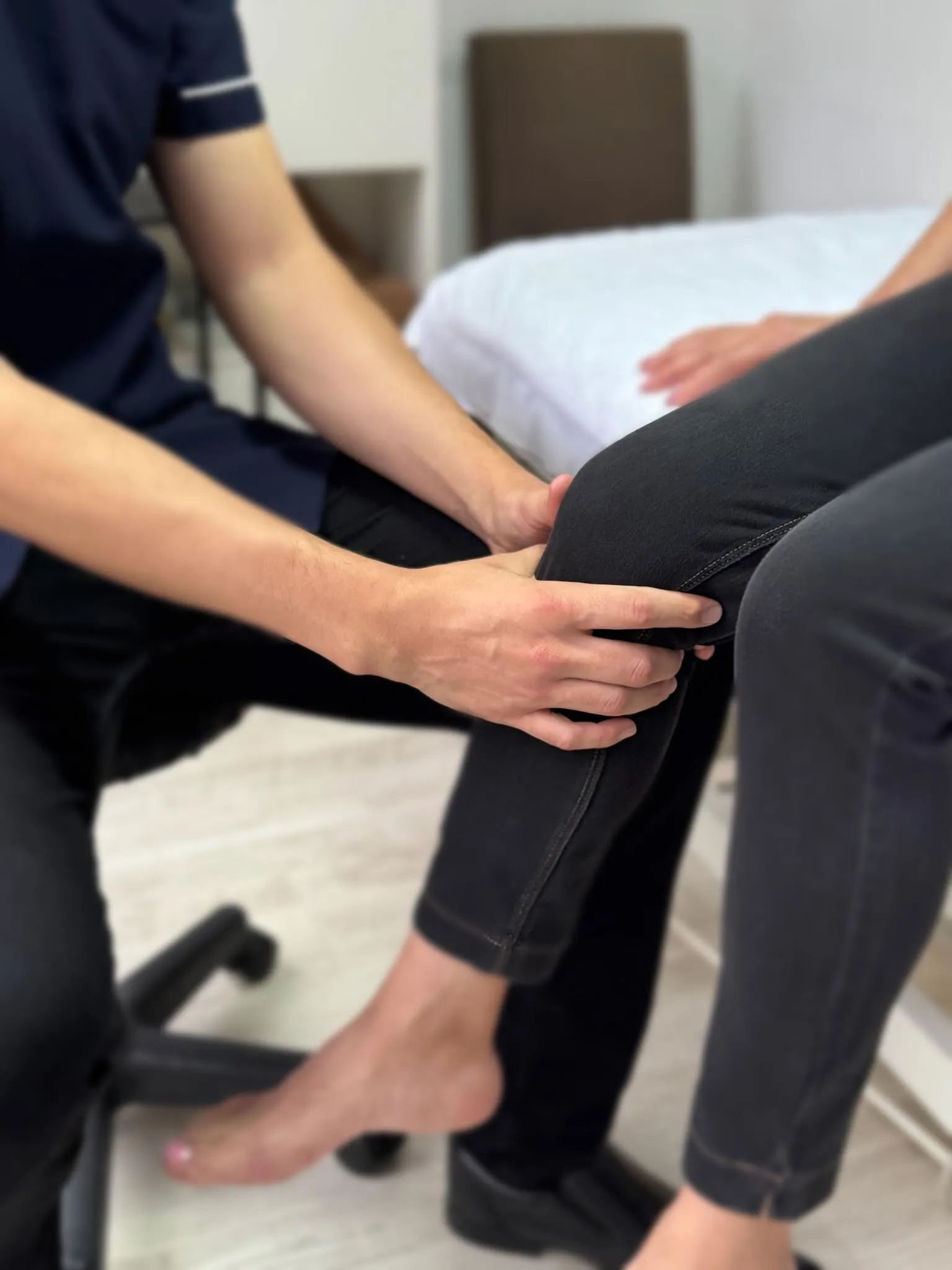

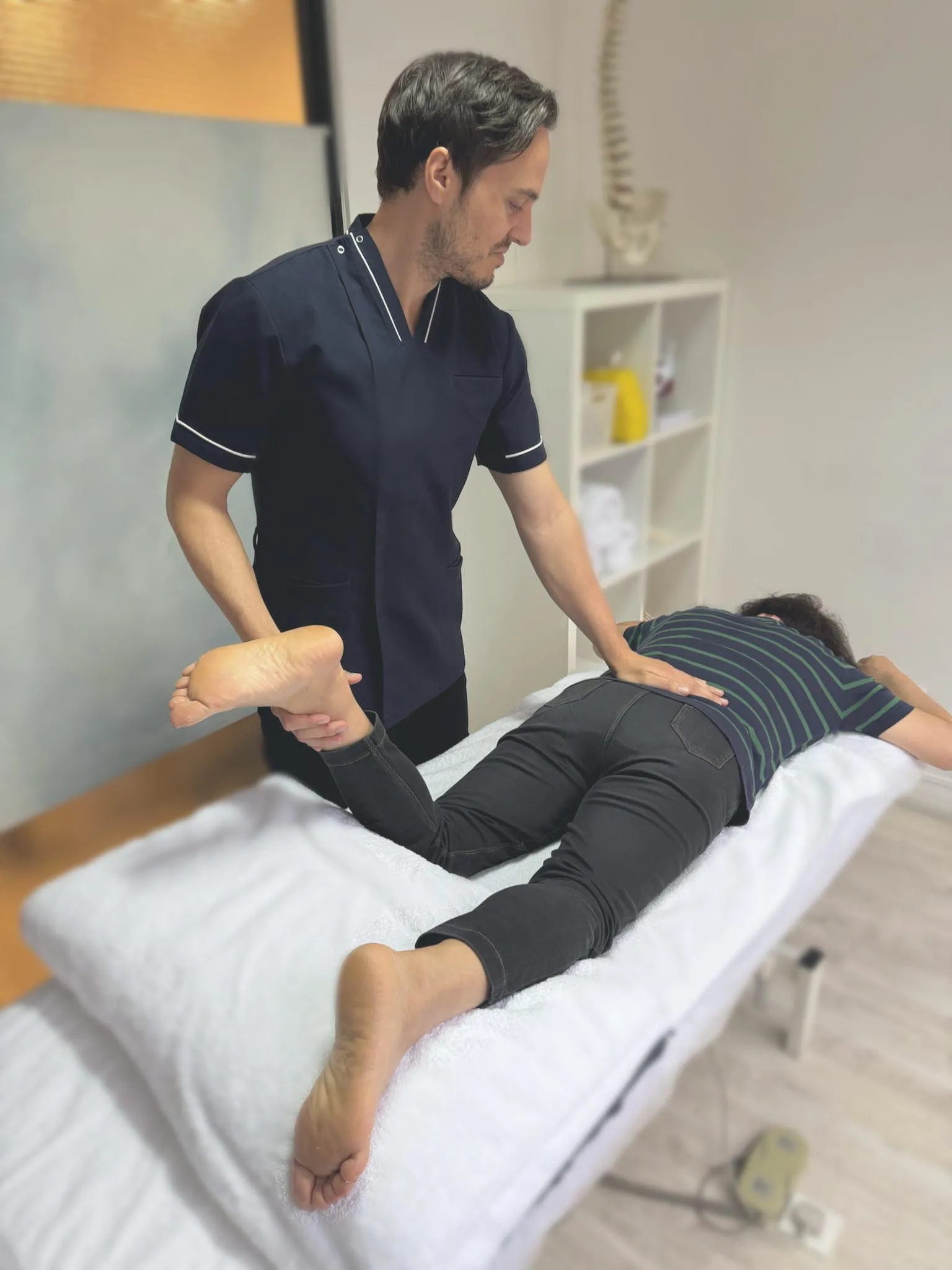
Like a vehicle MOT, it’s not about fixing problems after they happen.
A Movement MOT helps spot early signs of strain by identifying small restrictions or imbalances before they turn into pain, stiffness, or recurring niggles.
It’s a proactive check-up for your body – especially helpful if you sit for long hours, train hard, are adjusting to the physical demands of parenthood, or simply want to stay ahead of potential issues.

Mobility & Flexibility
How freely your joints move

Postural Organisation
How your body supports itself
Movement Technique
How well your body coordinates
What is a Movement MOT?
A Movement MOT is a structured session that looks at how your body moves, balances, and supports itself. Think of it as your body’s version of a car MOT: a routine inspection that spots small issues before they become big repairs. Instead of worn brake pads, we’re looking for tight hips, weak stabilisers, or inefficient movement patterns. We assess three key areas:
.webp)
Can your joints move through their full range, comfortably and with control?
We check whether joints are moving freely or starting to feel restricted – often before pain appears.
Examples include:
• Hip mobility: identifying tightness commonly linked to prolonged sitting
• Spinal rotation: seeing whether you can twist comfortably, or if your back feels “locked”
• Ankle mobility: important for balance, walking, and reducing unnecessary strain on the knees
How does your body organise itself against gravity?
Posture isn’t about standing perfectly straight — it’s about how efficiently your body holds itself throughout the day.
We may look at:
• Forward head posture: often associated with long hours at screens (“tech neck”)
• Pelvic tilt: checking whether the hips are tilted too far forward or back
• Shoulder height: noticing whether one side consistently lifts due to stress, work habits, or carrying heavy bags
How well do your muscles work together during everyday movements?
Rather than testing maximum strength, we assess coordination, control, and stability.
This may include:
• Squat assessment: observing how your hips, knees, and ankles work together
• Core stability: checking whether you can hold a plank without excessive lower back arching
• Balance: standing on one leg for up to 30 seconds — simple, but increasingly important as we age
Who is it for?
You don't need to be in pain to benefit from a Movement MOT.
Movement MOTs are suitable if you:
- Feel generally fine but want reassurance
- Sit for long hours or work in demanding roles
- Exercise regularly and want to reduce injury risk
- Experience occasional aches, stiffness, or tightness
- Want to be proactive about your long-term physical health

What happens during a session?
Your Movement MOT includes:
- A detailed discussion about your work, activity levels, and daily demands
- Observation of posture and key movements
- Hands-on assessment of joints, muscles, and mobility
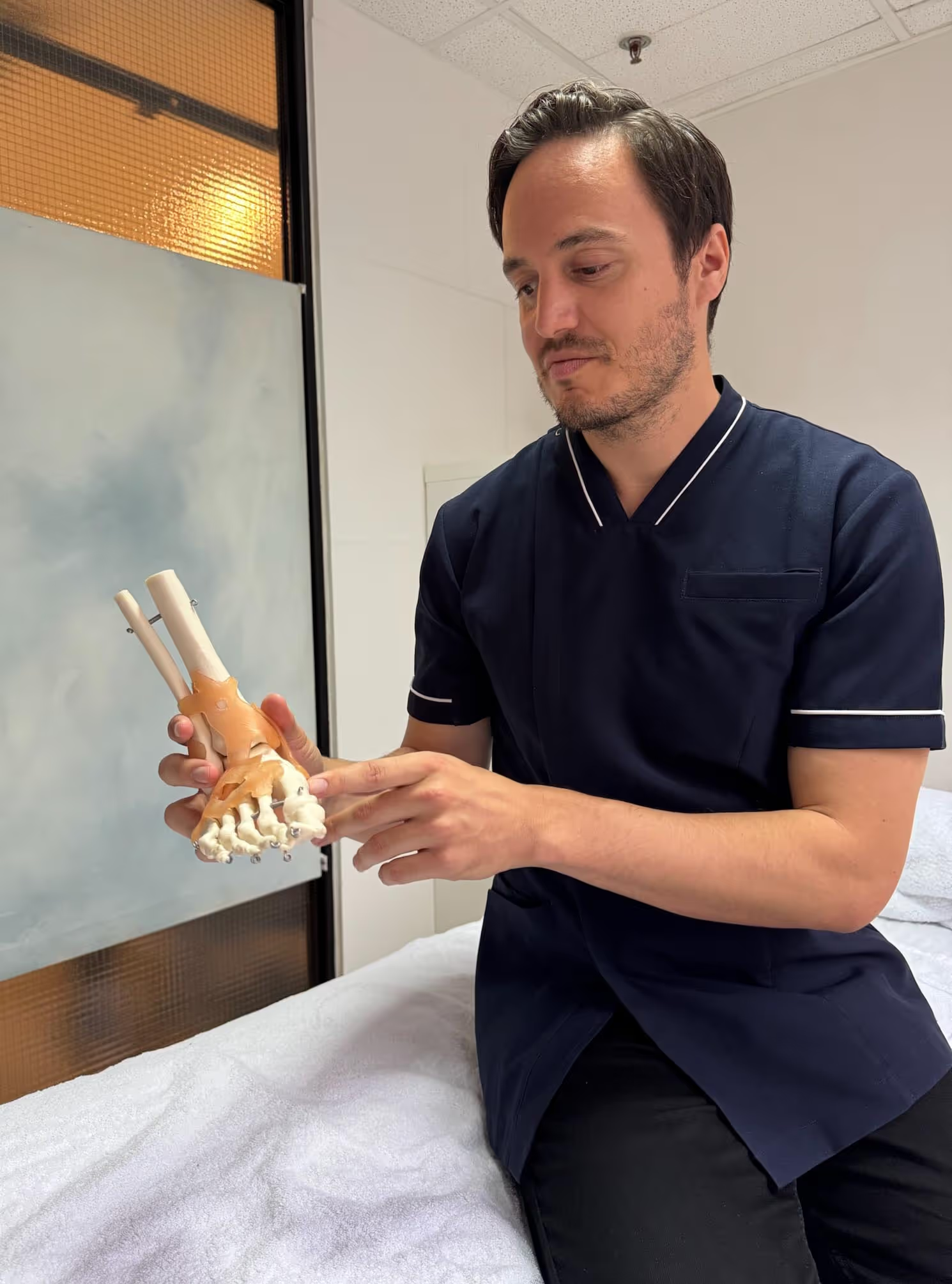
- Clear explanations of what we’re noticing and why it matters
If appropriate, we may also provide gentle treatment and practical advice to support better movement.
What you’ll take away
Our role is to help you make informed decisions about your health.
After your Movement MOT, you’ll have:
- A clearer understanding of how your body is moving
- Insight into areas that may need support or attention
- Practical guidance tailored to your lifestyle and routines
- A sense of whether further care would be helpful, and why
There’s no pressure to commit to ongoing treatment.
Book a Movement MOT today
Many issues develop gradually through repeated postures, uneven loading, and compensations your body quietly adapts to. A Movement MOT gives you the chance to check in early, rather than waiting until discomfort forces change.
If you’d like a clearer picture of how your body is functioning, or want peace of mind about your movement, our assessment is a simple place to start.


