
Everyday Newborn Care: Bathing & Hygiene Guide
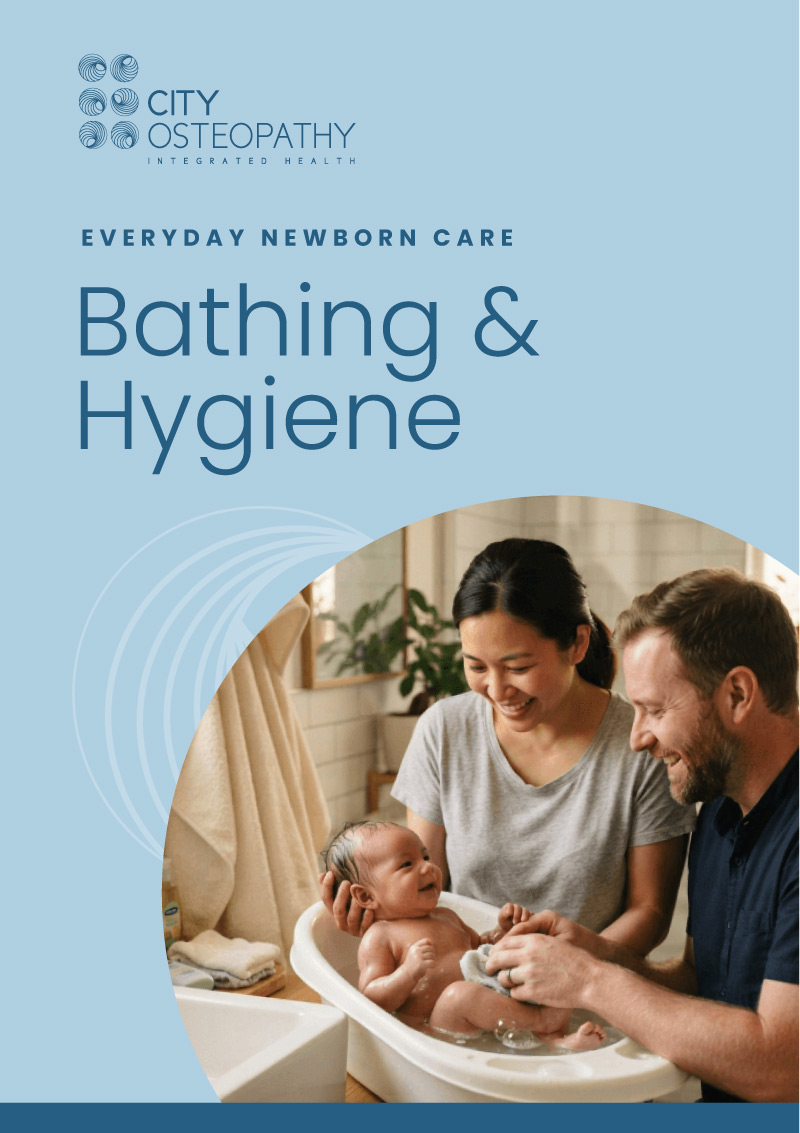
Newborns don't need daily baths — 2–3 times a week is plenty until they're mobile and messier. Overbathing can dry out delicate skin.
When should I switch from sponge baths to tub baths?
Have sponge baths until the umbilical cord stump falls off (typically 1–2 weeks); switch to tub baths after.
What water temperature is safe for a newborn's bath?
Warm, not hot — test on your inner wrist first.
How do I care for my newborn's umbilical cord stump?
Keep the stump clean and dry; fold nappies below it; it will darken and fall off on its own.
Is it safe to leave my baby alone in the bath?
Never leave your baby unattended in water — even for a few seconds.
How do I trim my newborn's nails safely?
Trim carefully with baby nail scissors or a file when baby is calm or asleep.
What is cradle cap and how do I treat it?
Cradle cap is perfectly normal – a gentle scalp massage with a soft brush during bath time usually helps.
When should I call a doctor about my newborn?
Most newborn quirks are normal. This list exists for the exceptions — trust your instincts, and use this as a quick check when something feels off.
- Fever: rectal temperature of 38°C (100.4°F) or higher in a baby under 3 months — call right away.
- Dehydration signs: fewer wet nappies than usual, sunken soft spot, no tears when crying.
- Breathing: rapid, laboured, grunting, or blue-tinged lips/skin.
- Prolonged inconsolable crying: that doesn't respond to any soothing over an extended period.
- Poor feeding or weight gain: refusing feeds, very few wet/dirty nappies, not regaining birth weight by 2 weeks.
- Jaundice: yellowing of skin or eyes that's spreading or worsening after day 3–5.
How can City Osteopathy Integrated Health help with newborn care concerns?
Bathing and everyday hygiene are usually just about time and practice rather than anything clinical. If you've noticed something else alongside it, though, such as your baby seeming stiff, uncomfortable, or unsettled during handling, our Paediatric Osteopaths can take a closer look at how your baby is moving and holding themselves day to day.
When should I see someone about my newborn?
If you've been wondering for a while now whether something about how your baby moves, feeds, or settles is more than early-days adjustment, an assessment is the direct way to find out.
Book an appointment below or request a callback, and we'll take it from there.