As parents and older relatives age, their movement quality begins to change in small, subtle ways. You might notice them getting up more slowly, taking shorter steps, avoiding certain slopes, or feeling less confident on pavements.
These changes are common – and they don’t mean someone is “unfit” or simply “getting older.” More often, they reflect how the body is moving, not how capable a person is.
In Hong Kong, where we constantly navigate crowded footpaths, steep slopes, busy MTR stations and compact living spaces, supporting good movement quality is especially important for preventing discomfort and avoiding injuries.
Here’s how you can help the seniors in your family stay comfortable, confident and active.
Why movement quality matters more as we age
As we grow older, a few predictable movement patterns begin to surface:
1. The hips and ankles move less
Stiff hips make it harder to take longer steps or climb stairs.
Limited ankle mobility affects balance and increases the chance of tripping.
2. The upper back becomes less mobile
A stiff upper back limits posture and makes turning, reaching or lifting feel more restricted.
3. Breathing becomes shallower
Many older adults breathe more into their chest than their ribcage.
This reduces natural core support and increases tension through the neck and back.
4. Smaller muscles take on too much work
When the large stabilising muscles are not doing their job, the smaller muscles – especially around the lower back or knees – begin to overwork.
This often leads to fatigue or discomfort after even short walks.
The good news?
Movement quality can improve at any age. Small, consistent changes make a noticeable difference.
Signs a senior may not be moving efficiently
You may notice:
- taking shorter or slower steps
- difficulty rising from low chairs
- avoiding slopes or uneven pavements
- stiffness when turning their torso
- increased fatigue after short outings
These are not “just age-related changes.”
They’re usually signs of compensation – and compensations can be improved with the right guidance.
Simple self-checks seniors can try at home
These quick and safe checks offer helpful clues about movement quality:
1. Seated Hip Rotation Test
Sit on a firm chair and rotate the knee inward and outward. If one side feels significantly stiffer, hip mobility may be affecting walking comfort.
2. Sit-to-Stand Test
Rise from a chair without using your hands if possible. If this feels unsteady or effortful, the hips, knees or core may need additional support.
3. Torso Rotation Check
Sit tall and gently rotate the upper body left and right. Limited rotation often points to stiffness in the upper back.
These simple tests help highlight areas that may benefit from focused attention.
How to help seniors move better in daily life
1. Encourage small mobility routines
A few minutes of gentle hip circles, ankle rolls or shoulder rotations can ease stiffness and keep joints moving well.
2. Support better breathing
Slow, rib-based breathing helps the core engage more naturally and reduces upper-body tension.
3. Create a movement-friendly home environment
Small adjustments – like using chairs of suitable height, making clear walking paths, or reducing clutter – can improve confidence and comfort.
4. Pace activities rather than avoid them
Gradual, consistent movement is more effective than doing too much at once or avoiding activity altogether.
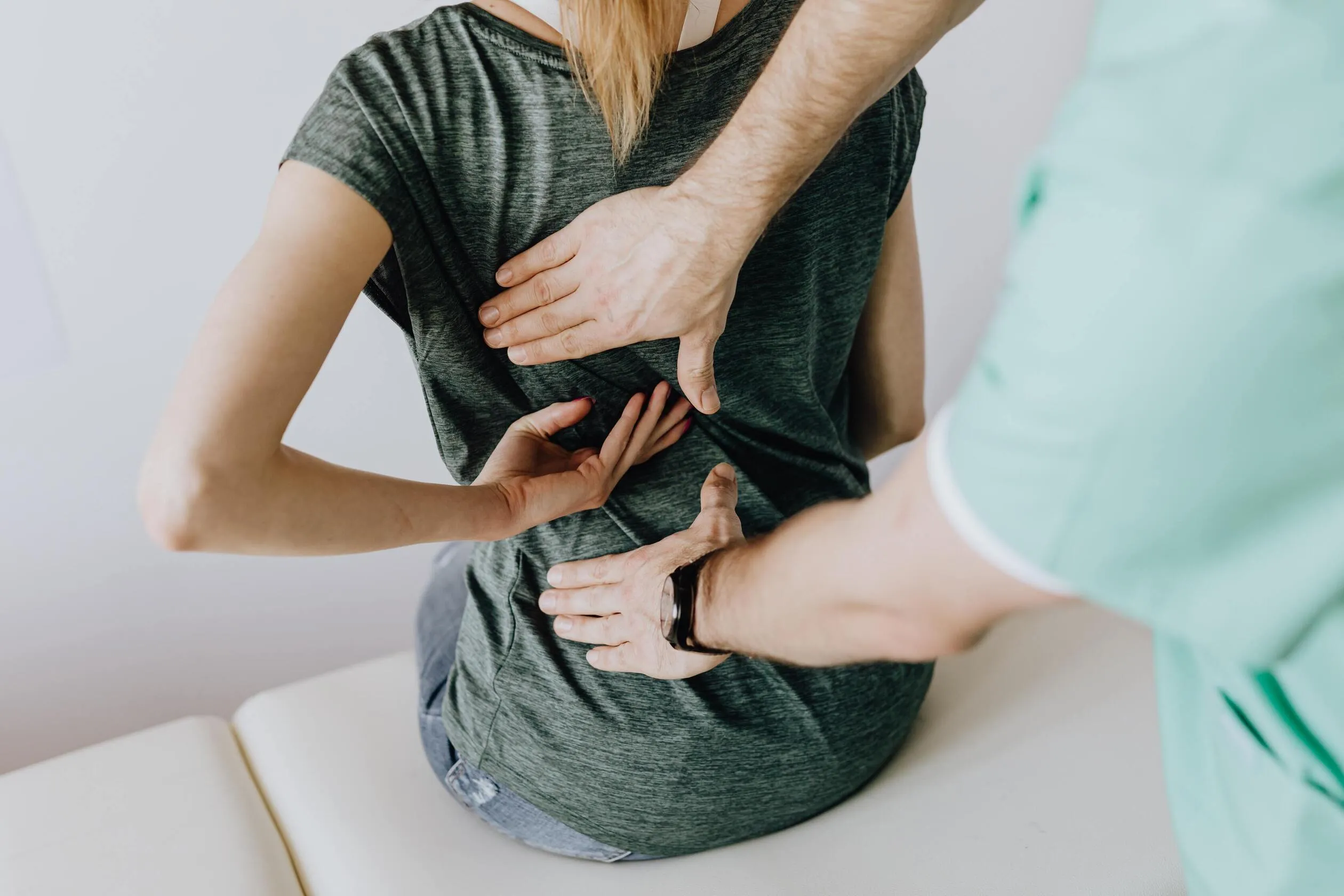
5. Consider a Movement MOT at City Osteopathy
A Movement MOT identifies which joints are stiff, which muscles are compensating, and which movement patterns may be affecting balance or comfort. It provides a clear, personalised plan based on the person’s abilities, lifestyle and goals.
For many Hong Kong families, this becomes a valuable way to support independence and quality of life as seniors age.
Better movement is not about pushing seniors to “exercise more.”
It’s about helping them move with comfort, balance and confidence – especially in a fast-moving city like Hong Kong.
With the right support and a personalised approach, seniors can continue walking, climbing stairs and enjoying daily life with much more ease.
If someone in your family could benefit from a clearer understanding of their movement, we’re here to help.