Pelvic pain is often discussed in women’s health.
What’s less talked about is how common it can be in young, otherwise healthy active men.
If you’ve recently been diagnosed with Chronic Pelvic Pain Syndrome (CPPS), you may feel both relieved and confused at the same time.
Relieving, because serious causes have been ruled out.
Confusing, because you may still be in pain.
You’ve completed investigations. Infection has been excluded. Scans are clear. Antibiotics may not have provided lasting relief. And yet, pelvic discomfort remains.
If that sounds familiar, you’re not alone.
Understanding What CPPS Feels Like
'CPPS' is often used when pelvic pain has lasted longer than three months and no ongoing infection or structural disease can be found.
Symptoms may include:
- Deep aching in the perineum (base of the pelvis)
- Testicular discomfort
- Groin or lower abdominal pain
- Urinary urgency with clear tests
- Discomfort during or after ejaculation
Importantly, CPPS is increasingly understood as a condition involving muscle tension, pressure regulation, and nervous system sensitivity — rather than persistent inflammation.
Why Symptoms Can Continue
The pelvic floor is part of your core system. It works alongside your diaphragm, abdominal muscles, hips and lower back to manage pressure and movement.
When this system becomes overactive — often due to chronic bracing, breath-holding, stress, or high training load — baseline muscle tension can rise.
Over time:
- Circulation may reduce
- Local nerves may become more sensitive
- Pain may feel disproportionate to findings on tests
This does not mean symptoms are imagined.
It means the system needs support to regulate.
What Recovery Often Involves
Recovery from CPPS is rarely about one single treatment. It is typically gradual, layered, and highly individual.
No two cases are the same. Even if symptoms look similar, the underlying drivers can differ — which means the solution must be tailored accordingly.
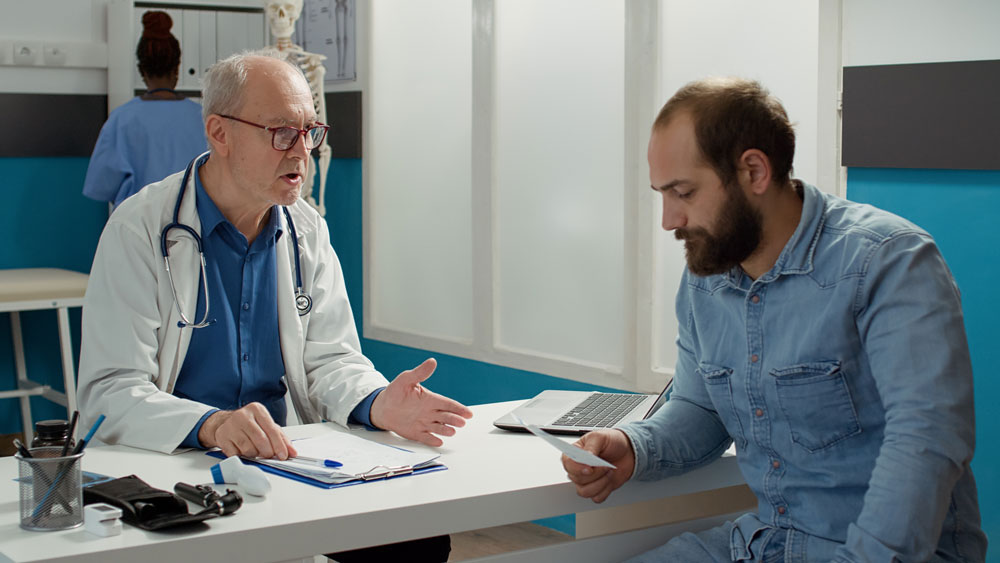
At our integrated practice, we begin by thoroughly assessing your individual situation. From there, we determine which approaches — and in what combination — are most appropriate for you. Rather than offering a list for you to choose from, we use clinical reasoning to guide the process.
Depending on what we uncover, your recovery plan may include:
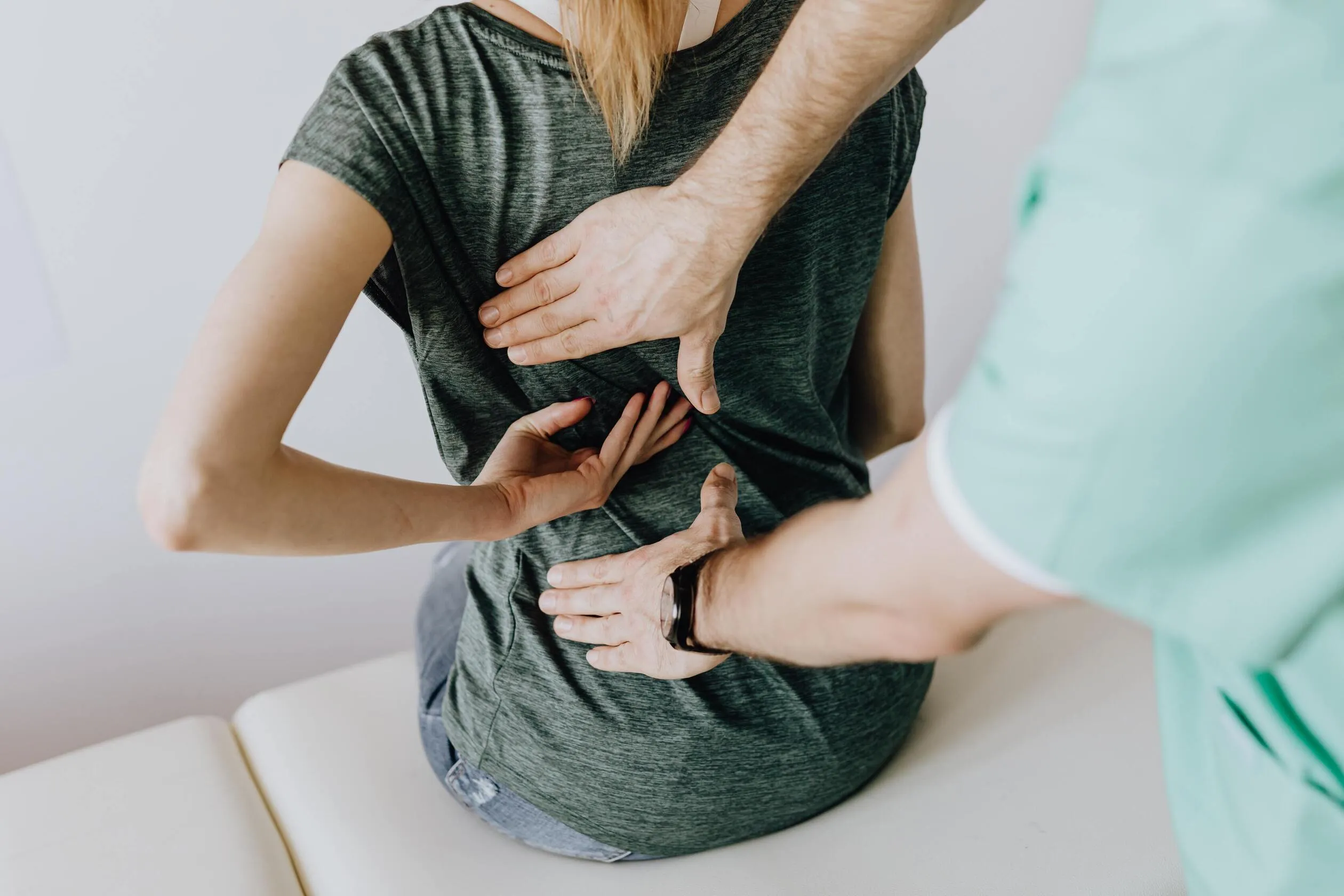
- Hands-on manual therapy to improve pelvic, hip and lower back mobility and reduce protective muscle guarding
- Targeted soft tissue treatment where persistent tension patterns are contributing to symptoms
- Specific breathing and coordination retraining to restore healthy pelvic floor and core function
- Graduated loading strategies to support a confident return to activity
- Guidance around stress load, recovery capacity, and pacing
The emphasis is not on doing everything — it’s on doing what is most relevant for your situation at the right time.
Recovery is a process. Our role is to assess, prioritise, and guide that process with you.
Moving Forward
If you’ve been diagnosed with CPPS and feel unsure what recovery should look like, improvement is possible.
The goal is not to “push through” pain or endlessly strengthen.
It’s to restore coordination, reduce tension, and support regulation — gently and progressively.
You may also find it helpful to read our related article:
“Can You Overtrain Your Pelvic Floor? What Active Adults Should Know.”
If you’d like to explore how an integrated approach could support your recovery, our team is here to listen carefully and guide you thoroughly.