If you’re leaking when you sneeze, lift, work out, or even laugh, it doesn’t mean you have to live with it. It’s often just a sign that the deep core and pelvic floor are still reconnecting after birth.
These muscles act together to manage pressure inside the abdomen. During pregnancy and delivery, this system stretches, tears, and fatigues. When it hasn’t fully reconnected, activities that increase abdominal pressure, such as lifting your baby, coughing, or returning to exercise, can feel harder and less supported.
Understanding why this happens is the first step toward recovery.
Why the core feels weaker after birth
1. Abdominal muscles stretch during pregnancy
The abdominal wall expands for months and takes time to regain tension and coordination, leading to a feeling of softness or instability.
2. The deep core and pelvic floor become torn or fatigued
After supporting increased load in pregnancy, these muscles often struggle to activate together – a key reason some women experience postpartum incontinence.
3. Breathing patterns shift
The diaphragm sits higher in pregnancy, changing how the ribs, core, and pelvic floor work as a team. Many mums continue these patterns after birth, limiting natural core support.
4. Fatigue affects engagement
With night feeds, pumping, and early return to work, tired muscles simply don’t engage well – even when strength is present.
How core recovery helps postpartum incontinence
The deep core and pelvic floor work as a single pressure-control system. When this system becomes uncoordinated, the pelvic floor may not receive enough support during moments of effort.
Rebuilding core coordination helps by:
- distributing pressure more evenly
- supporting the pelvic floor when you lift, cough or move
- reducing or resolving postpartum incontinence for many women
This is why focusing on gentle, well-timed core work – not intensity – is so important early in recovery.
Postpartum self-checks you can try at home
1. Cough Test
If your lower belly domes or you notice leaking, your deep core may still be reconnecting.
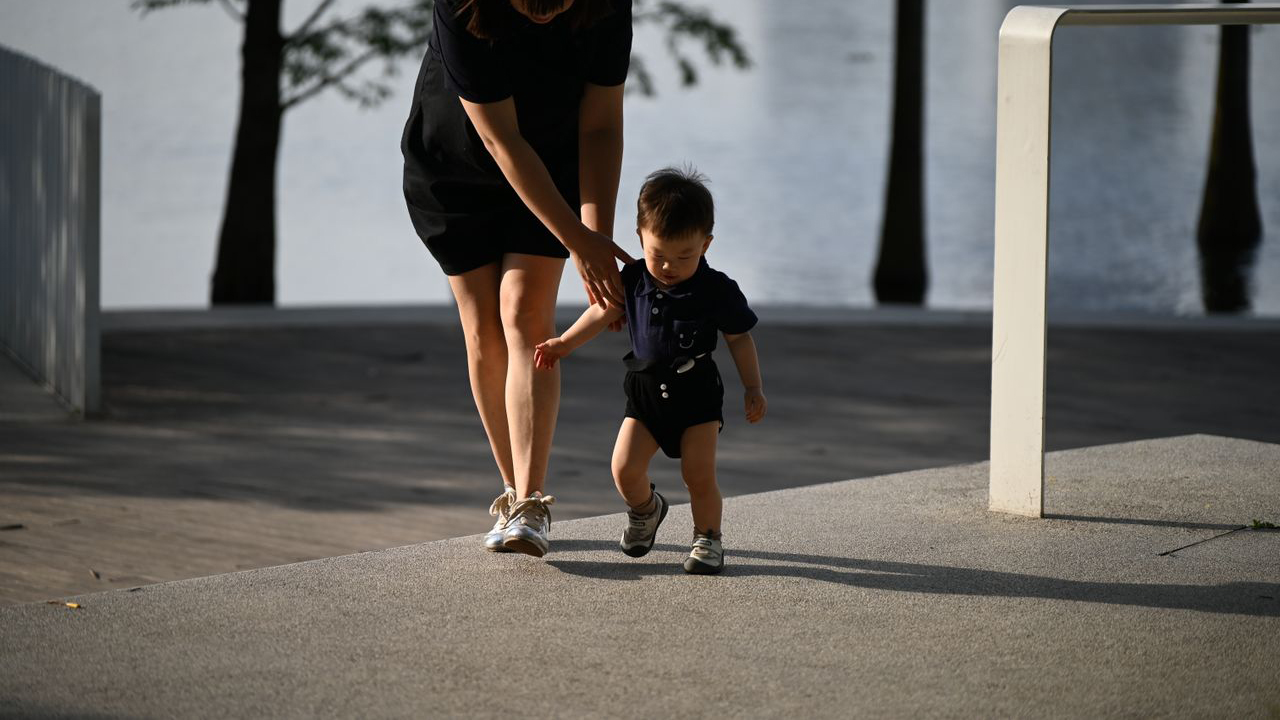
2. Baby Carry Test
If one hip drops or rotates outward while carrying your baby, your back may be compensating for your core.
3. Chair Stand Test
If standing up with your baby creates lower-back pressure or heaviness, your core–hip connection may need rebuilding.
Simple ways to start rebuilding your core
1. Feed or pump in a supported position
Bring the baby up to you, using cushions for support.
Why it helps: Reduces strain and allows the core to activate naturally.
2. Reset your breathing
Take 4–6 slow, deep breaths at key moments (after feeding, before lifting, or before workouts).
Why it helps: Restores diaphragm–core–pelvic floor coordination, reducing excess downward pressure.
3. Balance the load
Switch the side you carry your baby on and adjust carrier straps.
Why it helps: Prevents one side of the back from overworking.
4. Start with stable, low-impact movements
Wall-supported rows: Stand facing a wall with hands at chest height. Lean gently into the wall. As you breathe out, draw your shoulder blades back and down, then slowly release.
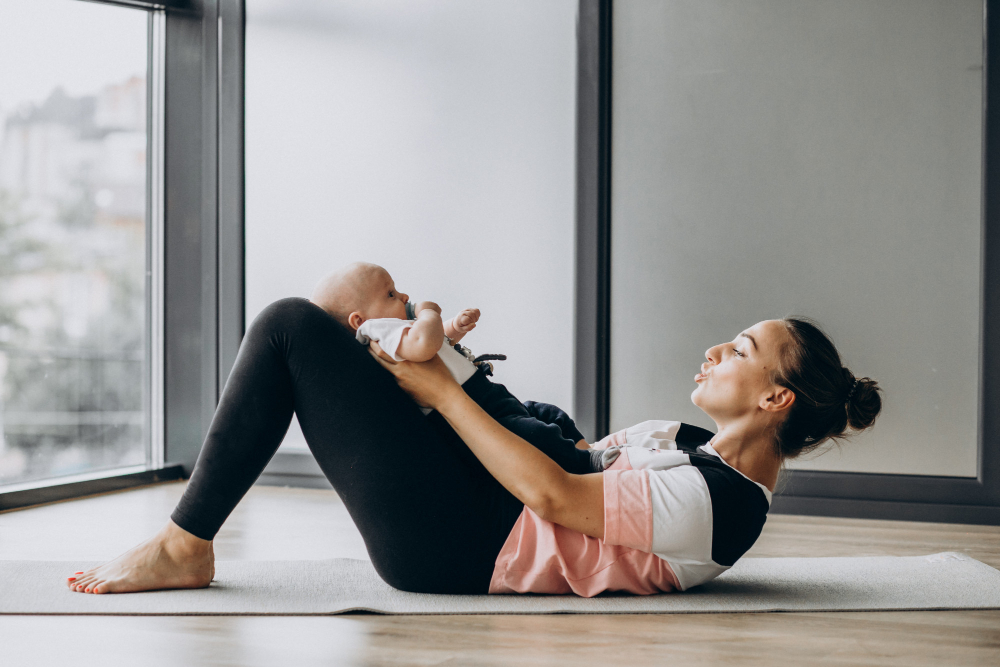
Pelvic tilts: Lie on your back with knees bent. Gently rock your pelvis to flatten your lower back, then release back to neutral. Move slowly with your breath.
Gentle marching: Stand tall and slowly shift your weight onto one leg. Lightly lift the opposite foot, then lower and switch sides. Keep movements small and controlled.
Why it helps: Builds core timing and postural support without placing stress on the pelvic floor.
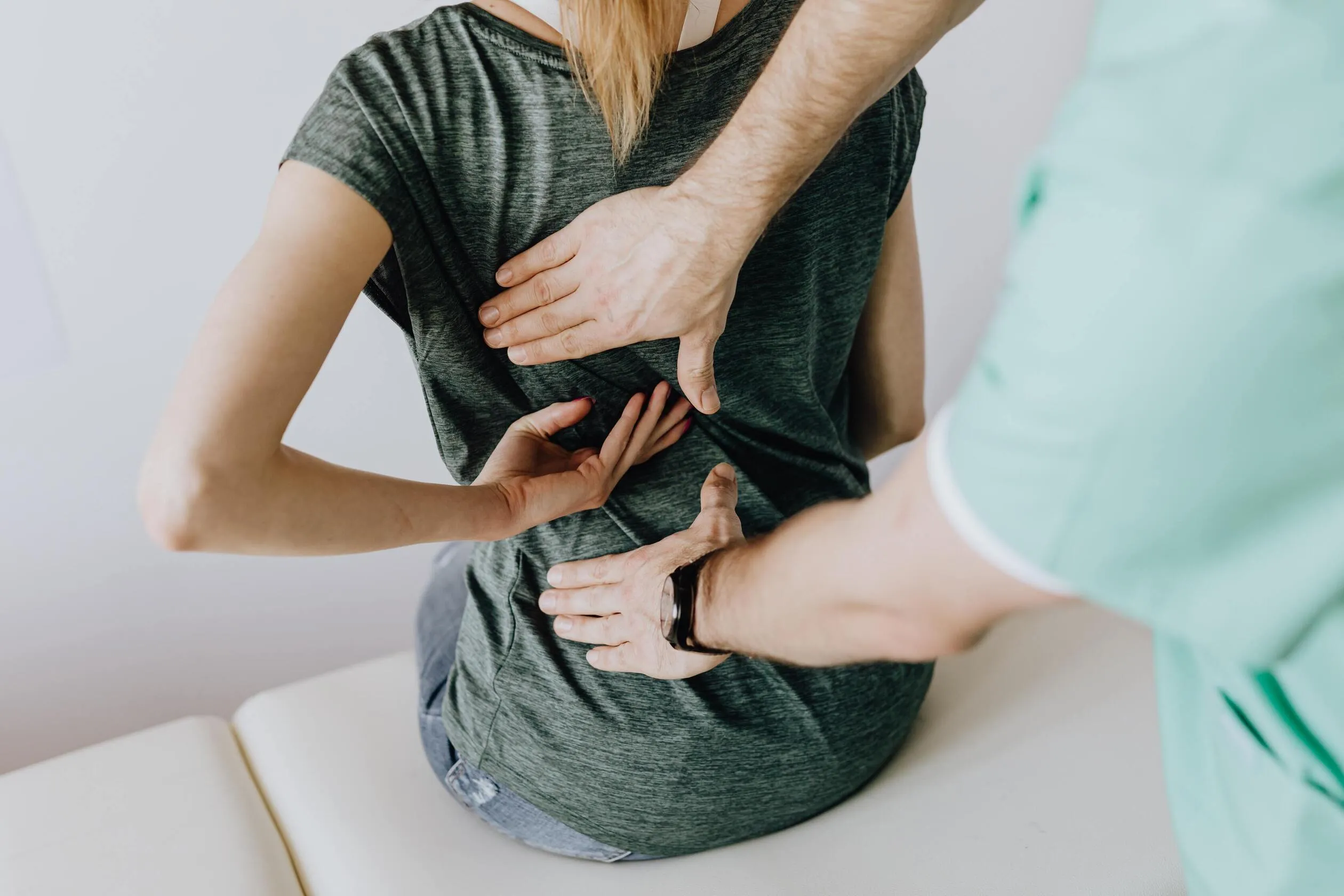
5. Book a postpartum movement assessment to understand what your body needs as you recover.
Why it helps: Identifies compensations and gives you a safe plan for rebuilding strength and reducing incontinence symptoms.
Rebuilding your core isn’t about working harder – it’s about reconnecting
When the deep core and pelvic floor work together again, movement feels safer, more supported, and more comfortable. Small, targeted steps now can make a meaningful difference at home, at work, and as you return to exercise.