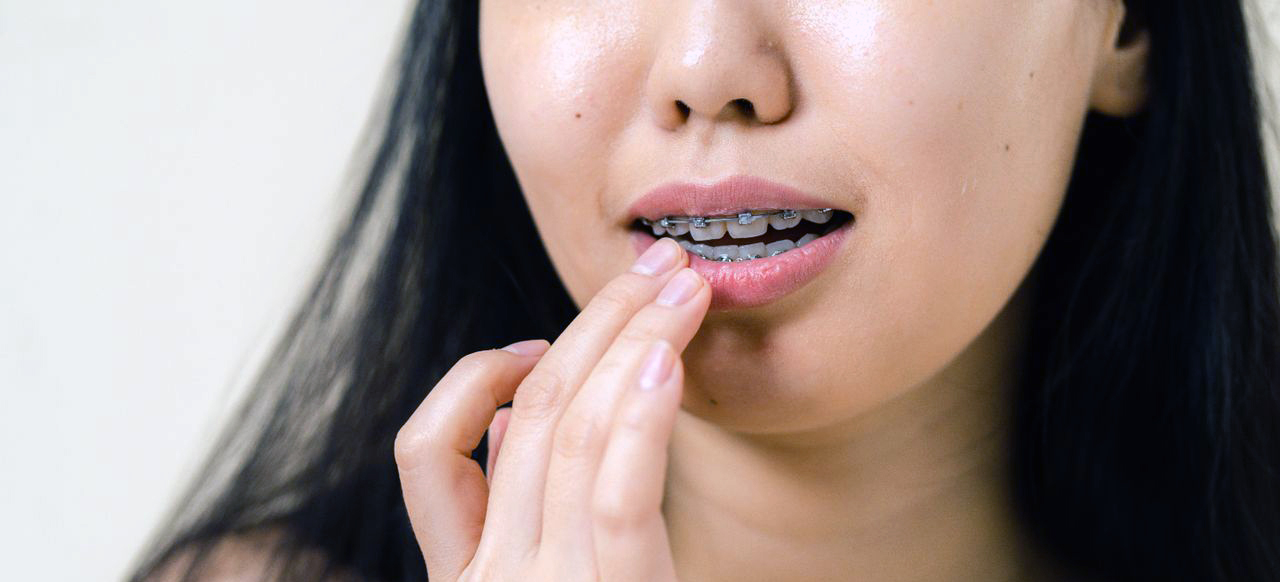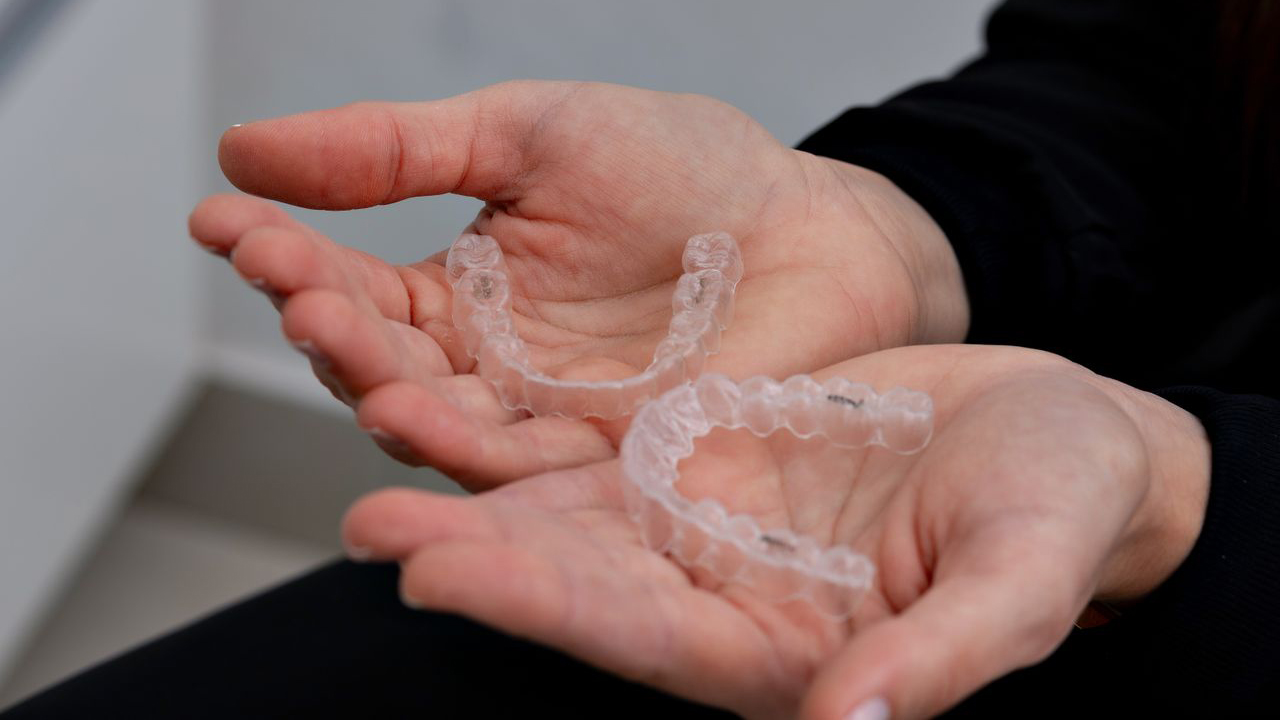
Invisalign is designed to move your teeth. Every few weeks, a new set of aligners asks them to shift a little further, and the body around them has to adapt to that change as well.
Your jaw is a joint, held and steered by muscles that work closely with your neck and the base of your skull. When the way your teeth meet changes, those muscles change how they work. Often the body absorbs this without much fuss. Sometimes it shows up as a jaw that aches by the afternoon, tight temples, or a neck that feels stiffer than it did before treatment began.
What should I do if my Invisalign treatment hurts?
Start by noticing where it hurts. It is important to remember that Invisalign is a medical prescription designed to actively alter your dentition, so a certain amount of initial discomfort or sore teeth for a day or two after a tray change is to be expected. Because your dentist or orthodontist is ultimately responsible for directing and overseeing this medical treatment, you must notify them first of any pain. If the discomfort is a direct result of the dental procedure itself, it requires clinical review by your dental provider, as osteopathy cannot alter or take away pain caused by the primary alignment forces of your trays or the physical fit of the aligners.
However, if the discomfort presents as a secondary ache in the muscles of your jaw, around your temples, or down into your neck, this is often your body's musculoskeletal system trying to adapt to those ongoing dental changes. Once your dentist has confirmed everything is progressing safely, that surrounding muscular tension is where supportive osteopathic attention can help you cope more comfortably. Anything to do with the tracking, forces, or fit of the aligners themselves must always be checked by your orthodontist.
Why does Invisalign make my jaw feel tense?
Your jaw muscles are used to guiding your teeth into one familiar bite. Invisalign changes that bite in small steps, and each step asks the muscles to recalibrate.
Two things often add to the load. Many people press their teeth into new aligners, particularly when concentrating, and the habit can outlast the tray. And because aligners cover the biting surfaces, your teeth meet through a thin layer of plastic for most of the day, which some people find keeps the jaw muscles more active than usual.
Can Invisalign cause neck pain?
Invisalign isn't usually a direct cause of neck pain, but the tension it can create in the jaw often travels, because the jaw, neck and upper back work as a connected system.
The muscles that move your jaw and the muscles that steady your head on your neck work in close coordination, so when one group is under strain, the other tends to share it. Head position matters too. When your head drifts forward towards a screen, the jaw sits differently and the muscles beneath it carry more load. That's why jaw tension during treatment so often arrives alongside a stiff neck, tight shoulders, or headaches at the temples.
Why do some people feel it more than others?
Two people can wear aligners for the same length of time and have very different experiences. Much of that comes down to what the body brings into treatment.
A neck that was already stiff, a tendency to clench under stress, long days at a desk, or a lifelong habit of chewing on one side all leave the jaw with less room to adapt before it starts to complain. Additionally, the complex history of your bite matters immensely. Previous dental procedures or older, traditional orthodontic work done long before introducing Invisalign can fundamentally alter your baseline bite alignment, sometimes leaving the jaw highly vulnerable to further discomfort when new changes are introduced.
Because your bite is highly specialised, your dentist and orthodontist are the ultimate experts when it comes to the precise alignment of your teeth and jaws. If you suspect your pain stems from an altered bite or past dental work, it is essential to speak with them first for a definitive evaluation of your dental mechanics.
Where we fit in is purely supportive. Treatment doesn't create these structural patterns, but it can bring them to the surface. That’s what our Jaw & Neck Assessment looks at: we don't adjust your bite, but we look at the surrounding muscles and neck to see what your body may have been compensating for while your dental experts guide your alignment.
How can osteopathy help with jaw tension during Invisalign treatment?
It is important to remember that your dentist or orthodontist is always your first point of contact for any pain, tension, or discomfort experienced during your aligner journey. Because they are the clinical experts in your bite, tooth movement, and dental mechanics, any new or changing symptoms should be evaluated by them first to ensure your treatment is progressing safely.
Where osteopathy fits in is purely in a secondary, supportive role. Osteopathy does not change anything about your aligners, your bite, or how your teeth move. What it can do is help the rest of your body adapt more comfortably to those changes.
Once your dental team has assessed your progress, our supportive osteopathic care looks at how the surrounding structures are coping. We look at how evenly both sides of your jaw open and close, where the surrounding muscles are holding tension, and how your neck, upper back, and posture are contributing. Gentle hands-on treatment can then be directed at the muscular and spinal areas working hardest, with the aim of easing the secondary structural strain that each new set of aligners can place on them.
What can I do at home to ease jaw tension between trays?
- Find your jaw's resting position. Lips closed, teeth slightly apart, and your tongue resting gently against the roof of your mouth. Your aligners keep working without being pressed into.
- Notice what makes you clench. Deadlines, difficult calls and the commute are common triggers. A small reminder on your screen can help you catch it.
- Breathe slowly through your nose. Slow, easy breathing tends to help the jaw and neck muscles settle.
- Keep your neck and upper back moving. A few gentle head turns and shoulder rolls each hour stop tension from building through the day.
- Raise your screen so your head isn't pushed forward for hours at a time.
- Hold a warm towel along the jaw and temples for a few minutes when they feel tight.
- Keep meals soft for a day or two after each tray change.
When is jaw tension during Invisalign worth having assessed?
Tension that settles within a few days of each tray change is your body adjusting. It's worth having the tension assessed if it hasn't eased by your next change, if it builds with each new set, if it's spreading into your neck, shoulders or head, or if your jaw catches or is hard to open fully.
How can City Osteopathy Integrated Health help during Invisalign treatment?

Our Jaw & Neck Assessment looks at how your jaw moves and how the muscles around it are coping, alongside your neck, upper back and posture. We'll ask when the tension started, what stage of treatment you're at, and what your working day and sleep look like, so we can see what's adding to the load.
We won't know what's behind the tension until we've looked. Once we have, we'll explain what we've found and what's likely to help, with anything we suggest planned around where you are in your treatment.
Please note: Your dentist or orthodontist remains your primary contact for any pain resulting from dental procedures, aligners, or braces, as our supportive osteopathic care focuses strictly on surrounding muscular tension rather than dental or orthodontic alignment.
This article is for informational purposes only and does not constitute medical advice. Please book a consultation for guidance specific to you.