Jaw & Neck Assessment

A focused assessment for jaw tightness, aching or clicking, and the neck and posture patterns that may be contributing to it.

Tell us your symptoms

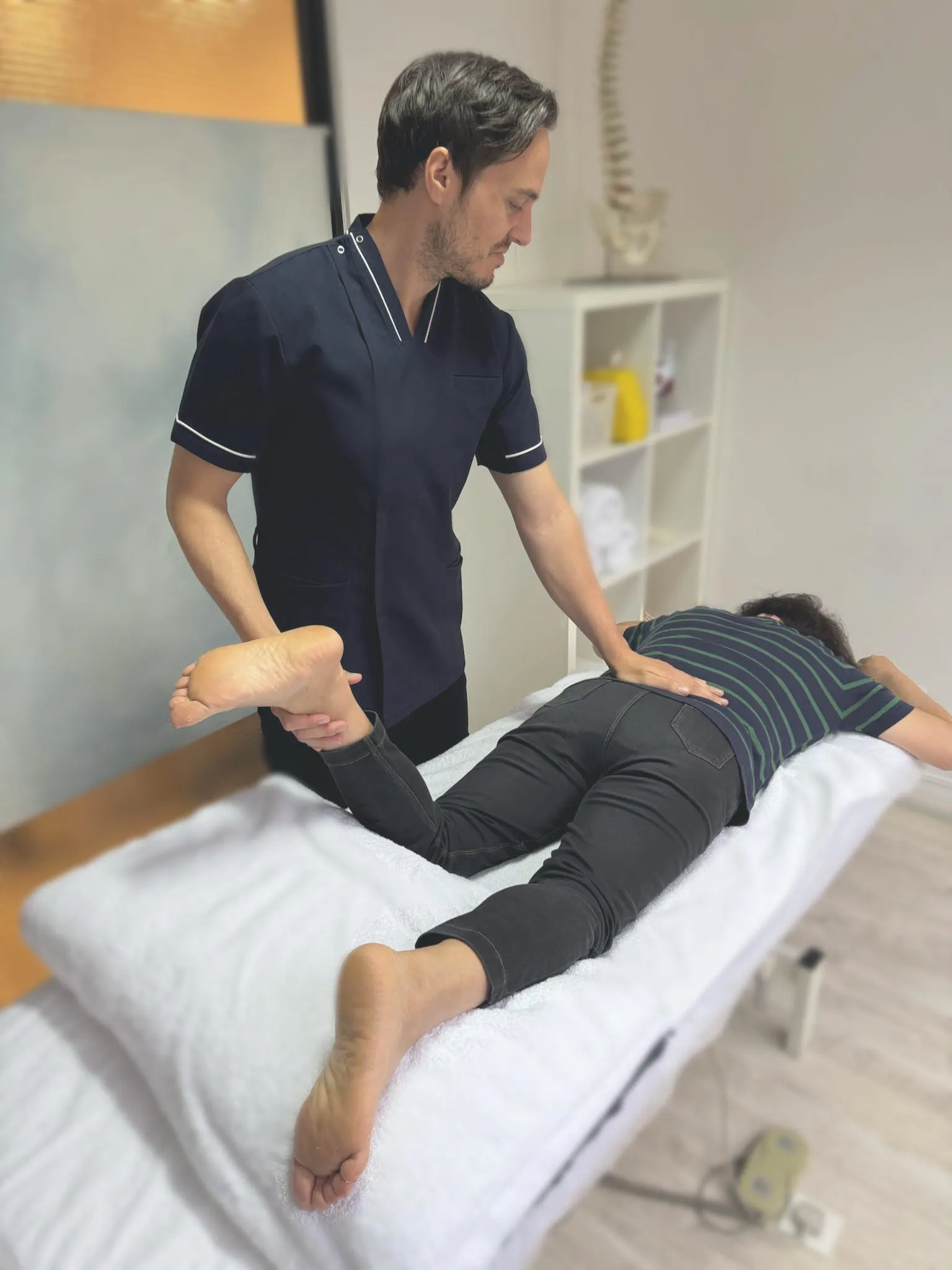
Osteopathic treatment at City Osteopathy showing practitioner performing manual therapy on patient's leg and hip area, demonstrating the clinic's hands-on approach for treating lower limb pain and mobility issues
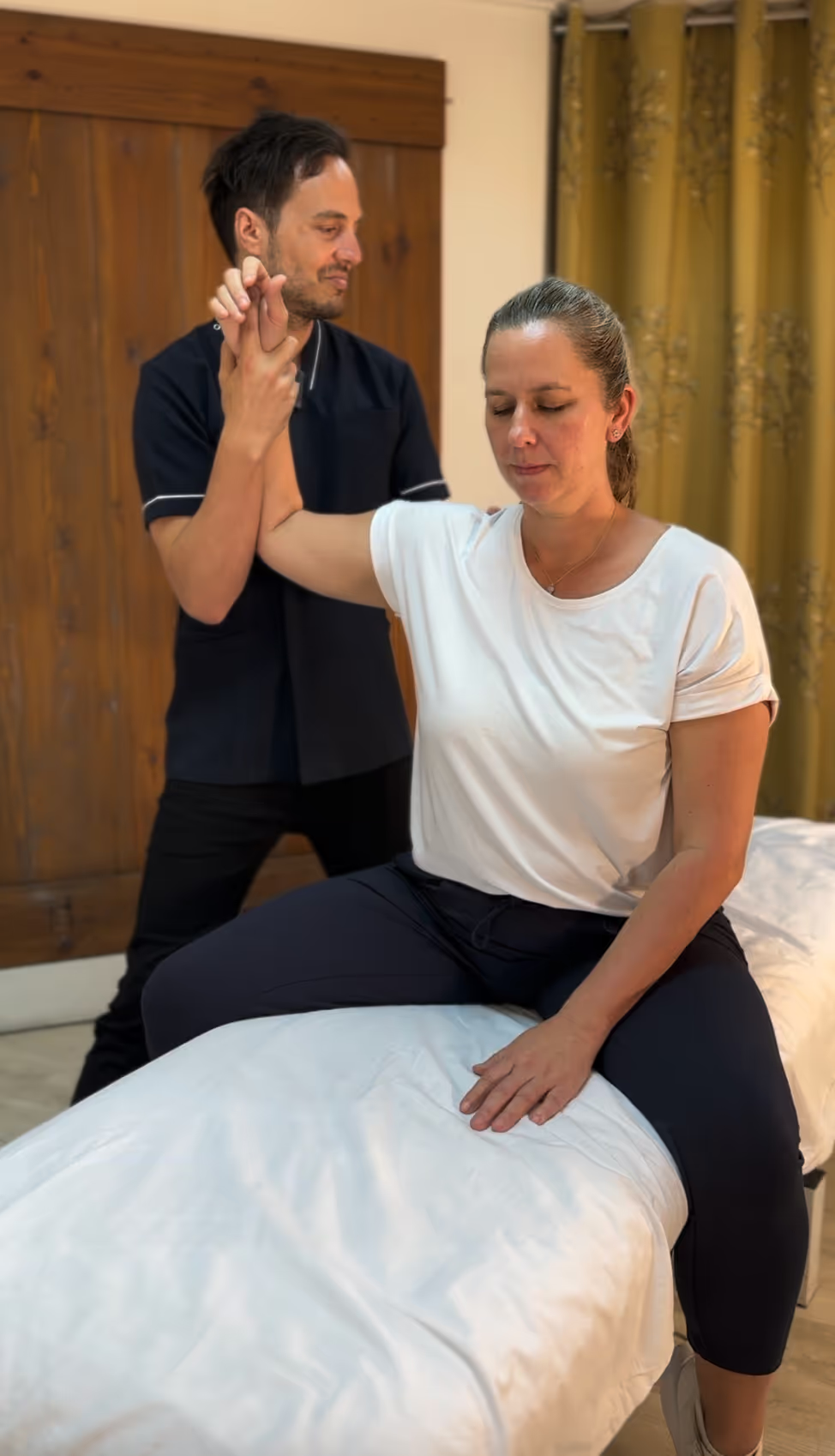
Osteopathy treating head and neck of patientOsteopathic practitioner at City Osteopathy performing spinal manipulation therapy on patient, showing the clinic's manual treatment approach for back pain and spinal function improvement
Osteopathic treatment at City Osteopathy showing practitioner performing manual therapy on patient's leg and hip area, demonstrating the clinic's hands-on approach for treating lower limb pain and mobility issues

Tired of waking up with a tight jaw and a stiff neck?

When you are dealing with constant jaw tension, clicking, and neck stiffness, it drains your energy before your day even begins. It’s not just "stress"—it affects how you eat, how you sleep, and how you breathe.

Often, the root cause isn't just where it hurts. Your daily lifestyle, posture, and even how your entire body moves can trap tension right in your neck and jaw.

You don't have to just "live with it."

Tell us your symptoms

Why we assess the jaw and neck together

The muscles that move your jaw work closely with those in your neck, so tension in one often shows up in the other.

That's why jaw tension so often arrives alongside a stiff neck, tight shoulders or headaches at the temples, and why easing the jaw on its own may only help for a while. Our assessment looks at both, so we can identify where the tension is coming from rather than where it happens to be felt.

Who it's for

This assessment may be useful if you're experiencing:

  • A tight or aching jaw, particularly on waking or on one side
  • Jaw clicking that comes with discomfort, or a jaw that catches or won't open fully
  • Clenching or grinding, whether you've noticed it yourself or been told
  • Jaw tension alongside neck stiffness, shoulder tension or headaches
  • Jaw tension that eases for a while, but keeps returning
What we assess

Your history. We start by asking when your symptoms began, what makes them better or worse; how you work, sleep and manage stress, and if you're having orthodontic treatment.
‍
How your jaw moves.
We assess the mechanics by looking at opening, closing and side-to-side movement, whether both sides move evenly, and if there are any clicking or catching.
‍
The muscles around your jaw.
We assess the jaw, temples and face from the outside, to see where tension is being held.
‍
Your neck, upper back, and posture.
We analyse how your head balances on your neck, how freely your neck and upper back can move, and what they may be compensating for. Beyond that, we evaluate how your entire spine and body move as a whole unit, mapping out how one restriction impacts your overall mobility.
‍
Your breathing.
Daily life, stress, and lifestyle habits heavily influence your breathing patterns, which can contribute to the tension you hold in your jaw and neck. Because your everyday routine directly shapes how you breathe, we take your respiratory patterns into account.

What happens next

Once we've completed the assessment, we'll explain what we've found and what we'd suggest from there. If you're having orthodontic treatment, anything we recommend is planned around it.

Why it's worth assessing early

Jaw and neck tension tends to build gradually, and the habits behind it can become more established the longer they go unaddressed. Early support can make a meaningful difference, and an assessment gives you a clear picture of what's driving your symptoms before they become harder to shift.

Tell us your symptoms

Request your Jaw & Neck Assessment

We’ll look at how your jaw, neck, posture and breathing work together to find out what may be contributing to your symptoms. Leave your details, and our team will contact you to arrange a time.
Thank you! Your submission has been received!
Oops! Something went wrong while submitting the form.

Frequently Asked Questions

Why does my jaw pain feel worse when my neck or back is stiff?

Your jaw, head, and neck work together as a single mechanical chain. The muscles controlling your jaw anchor directly into your skull and upper spine. If your posture slumps forward, your jaw has to work twice as hard just to keep your head balanced. Trying to treat the jaw without looking at the spine is why many treatments fail.

During your initial assessment, we physically map your entire posture and spinal alignment to find exactly where the chain is broken, rather than just rubbing the spot that hurts.

Can stress and lifestyle really change how I breathe and cause physical pain?

Yes. When you are stressed or sitting at a desk all day, your body defaults to shallow "chest breathing." This forces the small muscles in your neck and shoulders to lift your ribcage up to 20,000 times a day—a job they weren't designed to do. This chronic overwork creates a massive build-up of tension that spreads straight into your jaw.

‍Because everyone’s breathing habits are unique, we evaluate your personal breathing mechanics during your consultation to show you exactly how your daily routine is driving your physical pain.

My dentist gave me a mouthguard for clenching, but I still have pain. Can osteopathy help?

Absolutely. A dental mouthguard is great for protecting your teeth from grinding, but it doesn't stop the neurological urge to clench, nor does it fix the structural tension built up in your neck and spine.

‍Think of it this way: the guard protects your teeth, but our assessment looks at why your body is stuck in a stress response. We bridge the gap by releasing the structural restrictions in your body that a mouthguard simply cannot reach.

What does an osteopathic assessment and treatment look like?

We don't do guesswork or generic massage. Your first visit is a comprehensive, head-to-toe evaluation. We analyse how your head sits on your neck, test the mobility of your entire spine, and assess how you breathe. Once we identify the root cause, we use precise, gentle techniques — such as soft-tissue release, joint mobilisation, and medical stretching to relieve the pressure.

‍You leave your very first session with a clear, personalised roadmap explaining exactly why you are in pain and how many steps it will take to fix it.

How many sessions will I need before I feel a difference?

Most patients experience a noticeable drop in tension and improved ease of movement after their very first session. However, because jaw and neck issues are usually built up over months or years of desk work and stress, long-term relief takes a bit more strategy.

‍The main purpose of your initial assessment is to give you a definitive answer to this question. After testing your movement, we will tell you honestly whether you need a quick 2-session tune-up or a structured 4-to-5-session plan to permanently break the cycle of chronic tension.