



我们可以提供什么帮助
The muscles that move your jaw work closely with those in your neck, so tension in one often shows up in the other.
That's why jaw tension so often arrives alongside a stiff neck, tight shoulders or headaches at the temples, and why easing the jaw on its own may only help for a while. Our assessment looks at both, so we can identify where the tension is coming from rather than where it happens to be felt.

This assessment may be useful if you're experiencing:
- A tight or aching jaw, particularly on waking or on one side
- Jaw clicking that comes with discomfort, or a jaw that catches or won't open fully
- Clenching or grinding, whether you've noticed it yourself or been told
- Jaw tension alongside neck stiffness, shoulder tension or headaches
- Jaw tension that eases for a while, but keeps returning
扁平头综合症的专科治疗We start by asking when your symptoms began, what makes them better or worse; how you work, sleep and manage stress, and if you're having orthodontic treatment.
How your jaw moves. We assess the mechanics by looking at opening, closing and side-to-side movement, whether both sides move evenly, and if there are any clicking or catching.
The muscles around your jaw. We assess the jaw, temples and face from the outside, to see where tension is being held.
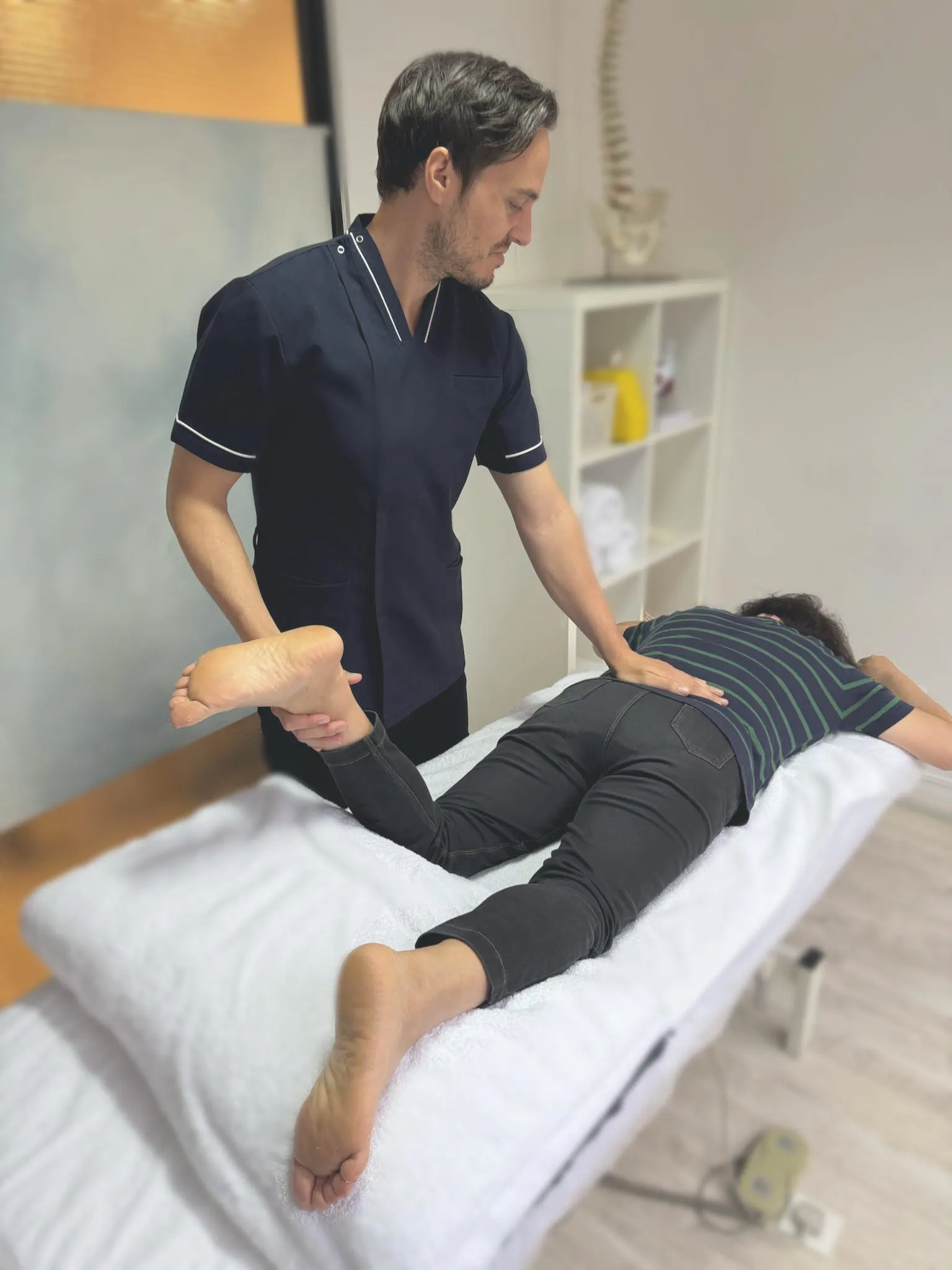
Your neck, upper back, and posture. We analyse how your head balances on your neck, how freely your neck and upper back can move, and what they may be compensating for. Beyond that, we evaluate how your entire spine and body move as a whole unit, mapping out how one restriction impacts your overall mobility.
Your breathing. Daily life, stress, and lifestyle habits heavily influence your breathing patterns, which can contribute to the tension you hold in your jaw and neck. Because your everyday routine directly shapes how you breathe, we take your respiratory patterns into account.
成长与发展
Jaw and neck tension tends to build gradually, and the habits behind it can become more established the longer they go unaddressed. Early support can make a meaningful difference, and an assessment gives you a clear picture of what's driving your symptoms before they become harder to shift.


