The hidden cost of being good at something
Most parents want their children to have activities outside of school. Tennis on Saturdays, badminton during the week, swimming squad before class, piano practice after dinner, maybe violin on top of all that. It's wonderful for their development, and for most families it's just part of what a healthy childhood looks like.
However, the activities that shape your child's skills also shape their body, and not always in a balanced way. A child who's been playing tennis four times a week for five years isn't just developing tennis technique, they're developing a body that has organised itself around a very specific, very asymmetric pattern of movement. And that organisation, if it goes unnoticed for long enough, can start to show up later as discomfort or restriction.
“The body is a cast on which passions are imprinted.”
wrote Auguste Rodin (1814 -1917), the titan of French art often compared to Michelangelo for his ability to breathe life into stone and bronze.
Modern childhood narrows the way kids move
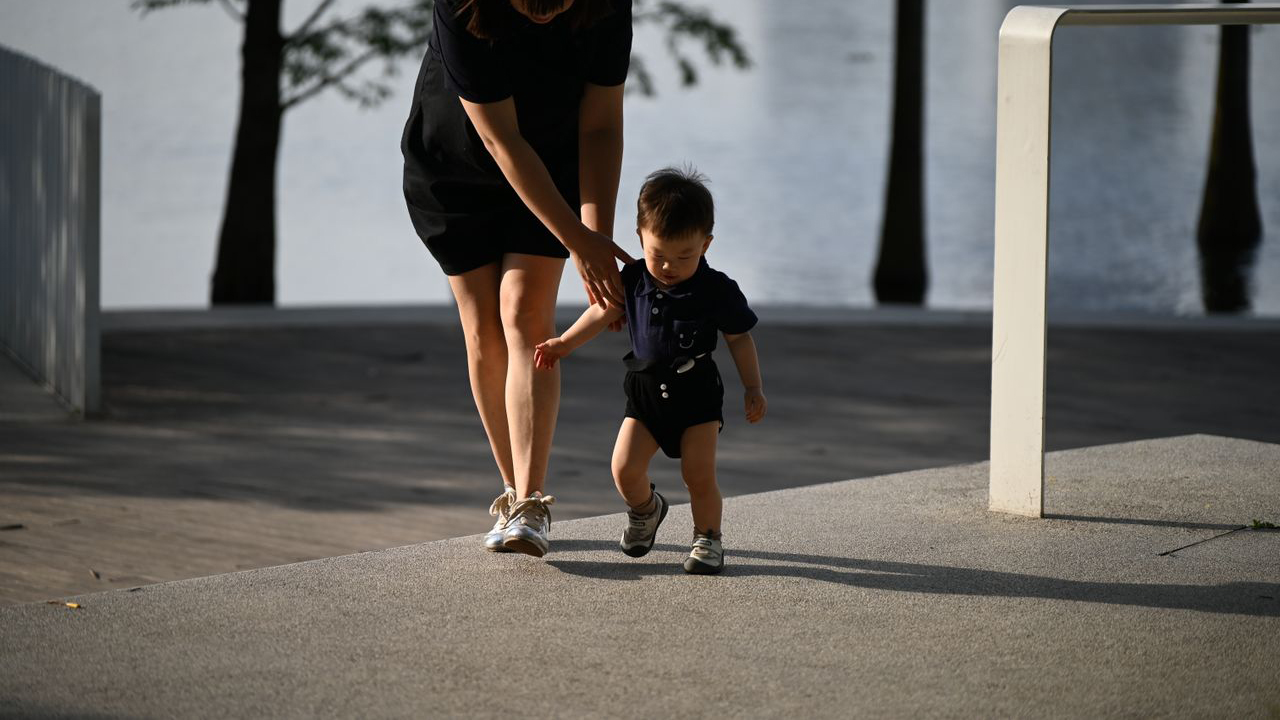
Your child's body is designed to move in six directions, forwards and backwards, side to side, and rotating both ways, and every joint from their neck down to their hips is built to use all of them. When they were toddlers, they probably used all six constantly, climbing, twisting, rolling, reaching, and falling over, because unstructured play naturally pulls a young body through its full range. That's one of the reasons toddlers are generally so mobile and so resilient.
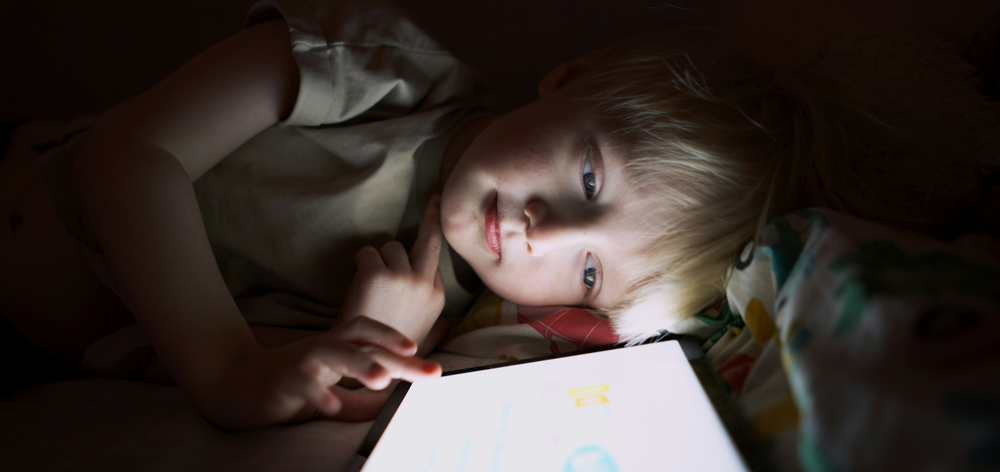
As children get older, life starts to narrow that range. We call this living in 2D, because the body that was built for three dimensions gradually gets asked to operate in two. Homework takes up a forward-leaning position for hours at a time, devices pull the head down and forward, school bags weigh the shoulders asymmetrically, and extracurriculars often add their own specific pattern on top. Some activities are beautifully balanced, gymnastics, swimming done with technique across all four strokes, martial arts practised on both sides. Others are inherently one-sided, and those are the ones worth understanding.
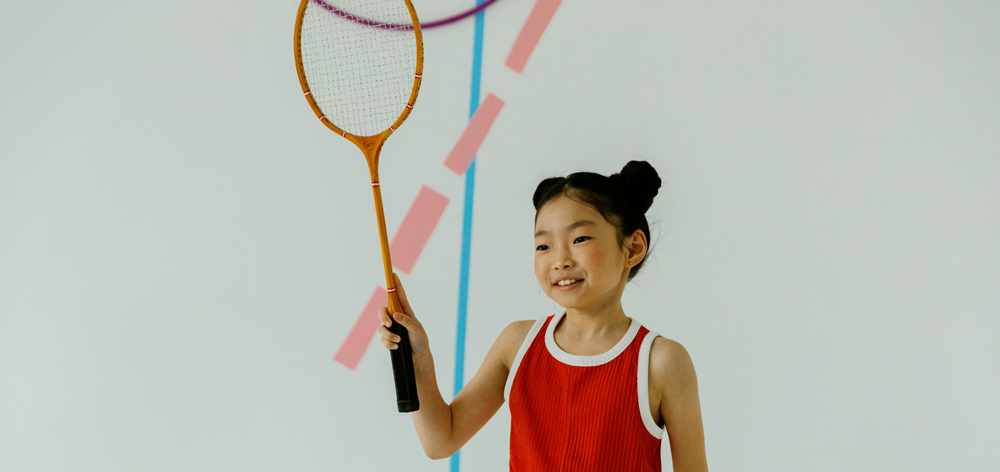
The activities that tend to be more asymmetric
Racket sports are probably the most common. Tennis, badminton, squash, and table tennis all involve thousands of repetitions of the same dominant-arm swing, the same rotational pattern, the same footwork shape. A right-handed tennis player spends years building strength, flexibility, and coordination on one side of the body while the other side is left comparatively untouched. Over time, the spine can start to reflect that pattern, and the hips, shoulders, and mid-back adapt to support what the sport is asking for.
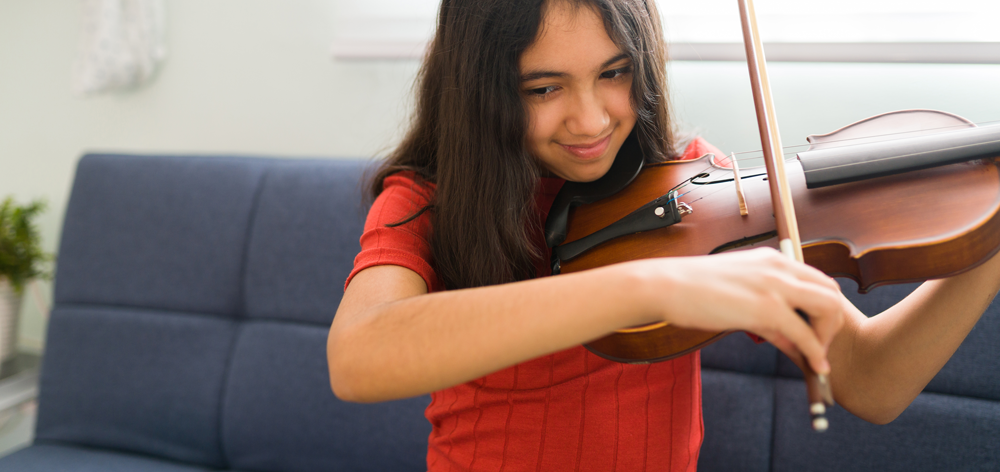
Musical instruments have their own version of the same thing. Violin is the clearest example, because the posture required, left arm raised and rotated, head tilted to the left, right arm working across the body, is maintained for hours of practice over many years. Piano is more symmetric but still involves a forward-leaning posture and specific shoulder and arm patterns. Any instrument that asks a child to hold an unusual position for sustained periods will gradually influence how their body organises itself.The body will slowly solidify or freeze itself over the posture we adopt.
None of this means your child should stop
Let’s be clear: extracurricular sports and music are genuinely good for children. The confidence, discipline, social connection, and physical development they offer are all things we'd encourage, and no serious parent is going to pull their child out of tennis because one blog post mentioned spinal organisation. That's not the point we're making.
The point is that asymmetric or repetitive activity done at intensity for years will shape how a developing body works, and if you're aware of that early, you can support your child in ways that keep them playing happily rather than running into problems later. Think of it the same way you'd think about a young athlete's nutrition or rest. It's not about avoiding the activity, it's about giving the body what it needs alongside the activity so that it can keep up with what's being asked of it.
What signs to look for
Parents usually notice something before their children say anything, because children rarely complain about discomfort until it's become quite persistent. The things worth paying attention to include one shoulder sitting noticeably higher than the other, a head that tilts slightly to one side when they're concentrating, a hip that pushes out further on the dominant side when they stand, or a tendency to always sit or stand in the same slightly uneven way.
You might also notice that your child rubs or stretches a particular spot regularly, or that they seem stiffer first thing in the morning than you'd expect for their age. Headaches after a long day of training or practice are worth noting. So is any complaint about pain in the lower back or hip, which can sometimes appear in children who do a lot of rotational sport.
None of these signs necessarily mean anything is wrong, and most of them are common to varying degrees in children who are perfectly healthy. But if they're persistent, or if more than one of them is present, it's worth getting a proper look.
What to do about it
The most useful thing you can do at home is encourage movement variety alongside the specialist activity. If your child plays tennis, make sure they're also doing things that use the other side of their body, swimming in different strokes, football, basketball, climbing, anything that breaks the dominant pattern. If they play violin, make sure they're getting whole-body movement outside of practice time. If they're doing long hours of homework, make sure there are real breaks that involve moving through different ranges, not just getting up to grab a snack.
For children under a certain age, unstructured play is actually one of the best tools for this, because it naturally uses all six directions of movement without needing to be prescribed. Climbing frames, trampolines, and general running around do more for a developing body than most parents realise.
Where a Movement MOT comes in
If you've noticed any of the signs we mentioned, or if your child does a lot of a specific sport or instrument and you'd simply like to know whether their body is coping well with it, a Movement MOT is designed for exactly this kind of check-in. It's a structured assessment that looks at three things: mobility and flexibility, or how freely their joints are moving; postural organisation, or how their body is supporting itself; and movement technique, or how well they're coordinating movement overall.
It's suitable for all ages, including children, and the whole point is to be proactive rather than reactive. Think of it like a car MOT, where the goal is to catch the small things before they become big ones. If we find something that could benefit from treatment, we'll let you know and explain the options, whether that's hands-on work, specific exercises, or simply a few changes to how your child sets up for homework or warms up before sport. There's no obligation to book further treatment, and for many families the assessment alone is enough to give them confidence that their child is on a good track.
For a closer look at what to watch for specifically in relation to screens and posture, our Tech Neck, Posture and Early Warning Signs in Kids article covers the everyday patterns that are worth paying attention to at home.